high-power relay: an essential component in modern power control systems
Release time:2025-12-08 16:09:58
High-Power Relays are critical components in modern electrical systems, providing an efficient and reliable way to control high-voltage and high-current circuits. These relays enable the automation of power management in various industrial, automotive, and residential applications, facilitating the smooth operation of electrical systems that require a significant amount of energy. Whether used in power distribution, machinery control, or automotive electronics, High-Power Relays play an essential role in ensuring safety, efficiency, and longevity of these systems. This article will explore the function, features, and applications of High-Power Relays, shedding light on their importance in today’s power control technologies.
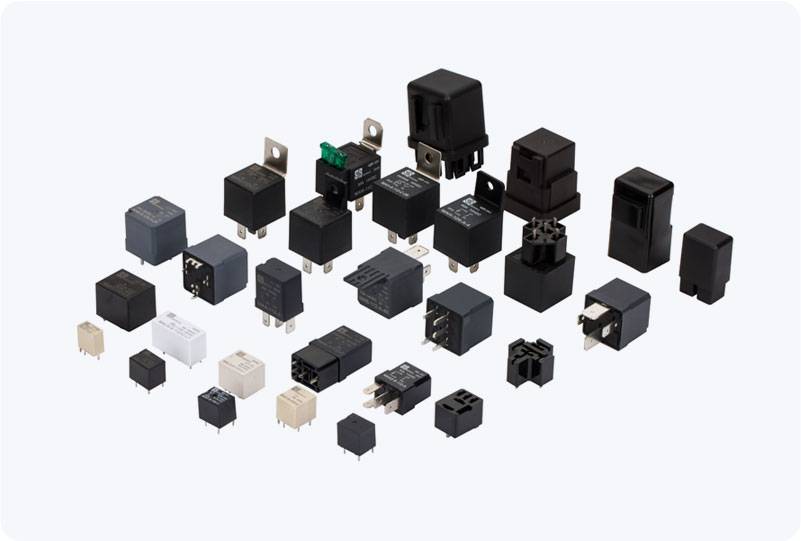
What is a High-Power Relay? A High-Power Relay is an electromechanical switch designed to control large amounts of electrical power. It is engineered to handle high voltage and current levels that regular relays cannot manage. These relays are designed to allow small electrical signals (typically in the low-voltage range) to control large electrical loads, effectively isolating the control circuits from the high-power circuits. The relay consists of an electromagnet (coil) that, when energized, moves a set of contacts to either open or close the circuit. One of the primary purposes of a High-Power Relay is to serve as an intermediary between low-power control systems and high-power circuits, ensuring that sensitive control systems are not exposed to the risk of high current and voltage. This isolation allows for safe control and monitoring of high-power systems from a remote or protected environment.




 Chat Oline