understanding the role of latching relay for power systems: efficiency and reliability in energy control
Release time:2025-12-08 19:45:09
In power systems, the ability to control electrical devices with precision and efficiency is paramount. One of the key components that contribute to this is the latching relay. Unlike conventional relays that require continuous power to maintain their state, a latching relay offers a unique advantage by "latching" into position and maintaining its state without the need for constant current. This feature is particularly valuable in systems where energy efficiency and reliability are essential. This article explores the concept, working principles, applications, and benefits of latching relays in power systems.
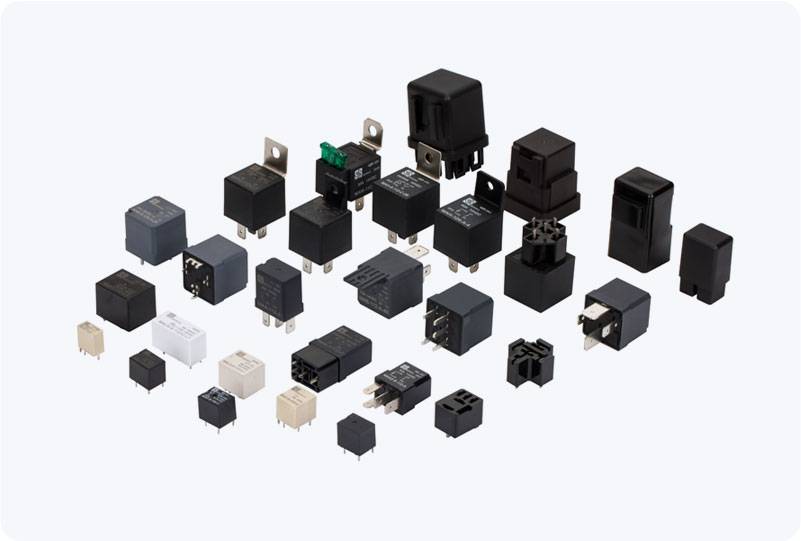
What is a Latching Relay? A latching relay is a type of relay that retains its position even after the power to the coil is removed. This means that once the relay is activated, it stays in that state (either open or closed) until it is triggered again to change positions. Unlike traditional relays, which rely on a constant electrical supply to keep their contacts in the switched position, a latching relay only requires a pulse of current to change its state. Once set, it stays in the new state without consuming additional power. How Does a Latching Relay Work? Latching relays operate through a mechanism that involves two stable positions. When an electrical pulse is applied, the relay changes its state and "latches" into the new position. To switch the relay back, another electrical pulse is needed. This is a significant difference from a traditional relay, which would require constant power to stay in its new state. The latching mechanism ensures that once the relay is activated, it will continue to operate in that state, which can be either "on" or "off," without any further power input.




 Chat Oline