low flow solenoid valve: precision control for small-scale applications
Release time:2025-12-08 21:40:07
Low Flow Solenoid Valves are essential components in modern control systems where precision and reliability are key. These valves are designed to regulate the flow of fluids or gases in low-flow systems, making them indispensable in applications requiring accurate and controlled delivery of media. Whether used in laboratory settings, medical devices, or industrial automation, Low Flow Solenoid Valves offer an efficient and reliable means of controlling small volumes of fluid or gas. This article will explore the working principle, applications, and advantages of Low Flow Solenoid Valves, as well as important considerations when selecting the right valve for your system.
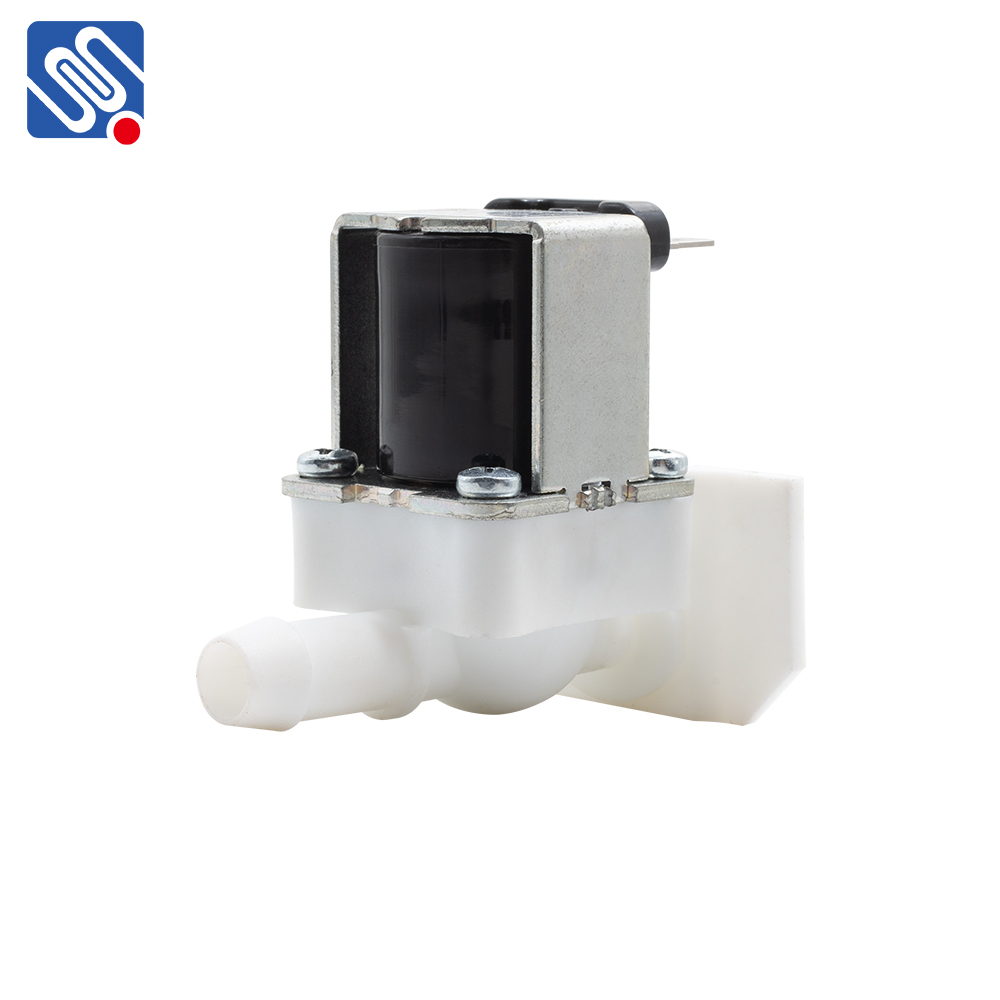
Working Principle of Low Flow Solenoid Valves A Low Flow Solenoid Valve operates on a simple yet effective principle: the valve's internal mechanism is controlled by an electromagnetic force. When an electrical current is applied to the solenoid coil, it generates a magnetic field that moves the valve's plunger or armature, either opening or closing the valve. The solenoid's on/off action regulates the flow of the media, controlling how much fluid or gas passes through the valve. In some cases, the solenoid valve may also feature a proportional control mechanism, allowing for more precise flow regulation by adjusting the valve opening in proportion to the electrical signal.




 Chat Oline