understanding relay wiring: a key element in electrical control systems
Release time:2025-12-09 01:33:16
Relay wiring is a crucial component in modern electrical control systems, widely used to manage high power circuits with low power control signals. By using relays, we can efficiently control a wide range of electrical devices, such as motors, lights, and alarms, through low-voltage and low-current control signals. This article will delve into the basics of relay wiring, its components, and its practical applications in various electrical systems.
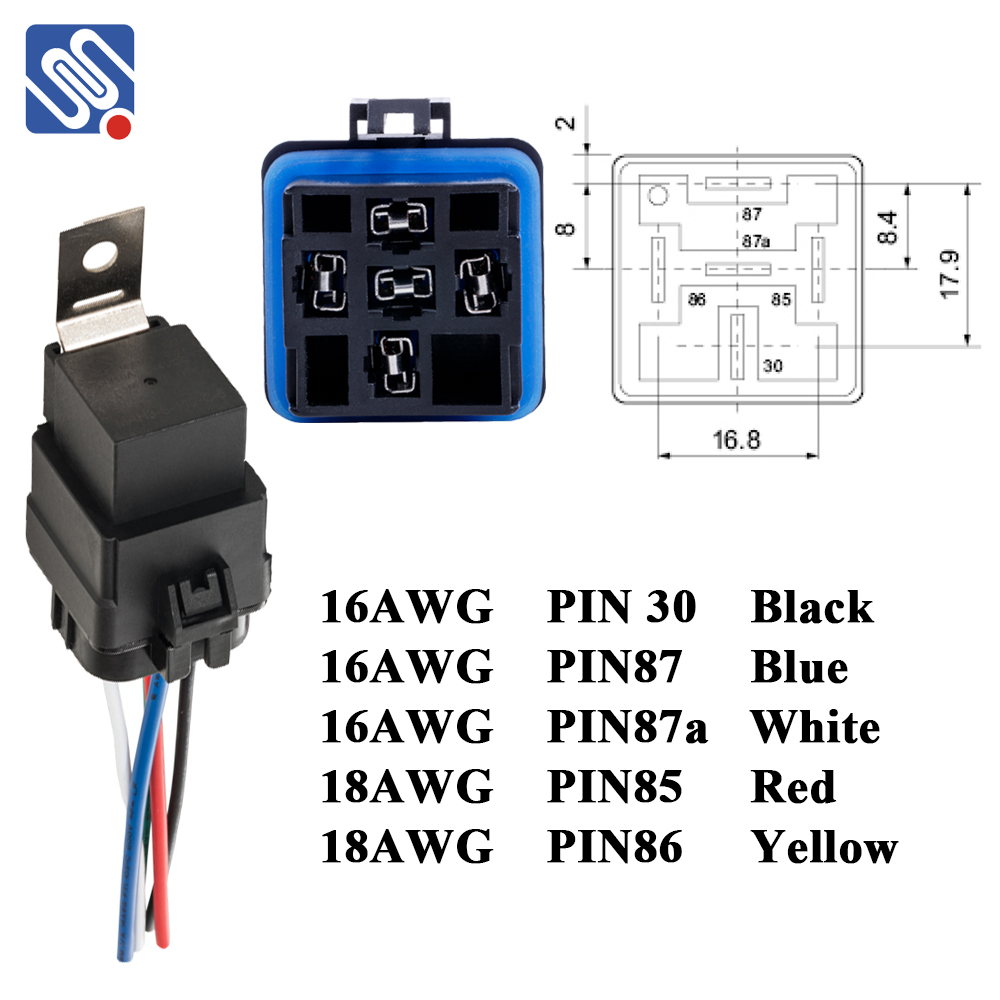
What is a Relay? A relay is an electrically operated switch that allows a low-voltage control signal to open or close a circuit, typically for higher voltage or current systems. It consists of an electromagnet (coil), one or more sets of contacts (typically NO and NC), and a spring mechanism. When a control signal is applied to the coil, it creates a magnetic field that activates the contacts, either closing or opening them depending on the relay's design. Relays are used in both industrial and residential settings to control devices such as lights, alarms, motors, heating systems, and more, all with the simplicity of a low-voltage control circuit.




 Chat Oline