


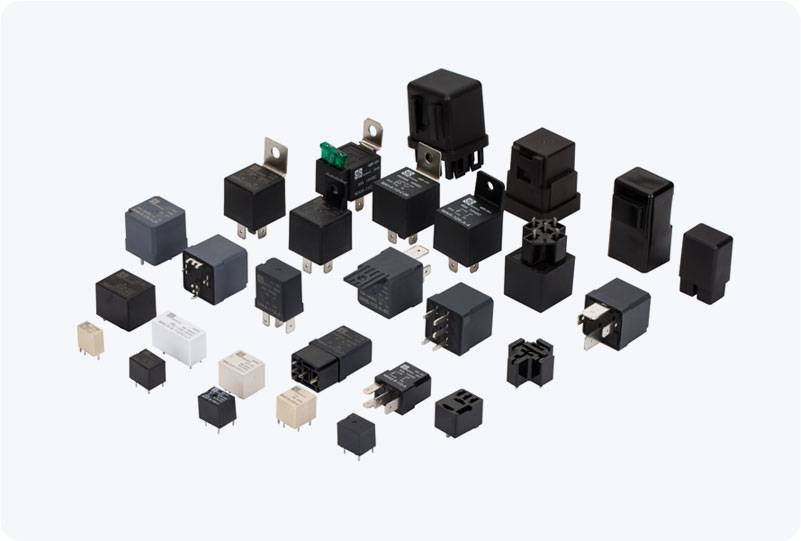
What is a High-Power Relay?
A high-power relay is an electrically operated switch that allos a low-power control signal to control the switching of high-voltage or high-current loads. These relays are designed to handle much more significant electrical power than standard relays. They work by using an electromagnet to open or close contacts, allowing the relay to control the flow of electricity to connected circuits. When the coil of the relay is energized, it activates the mechanical contacts, turning the larger circuit on or off.
Key Features of High-Power Relays
High Currt Handling: One of the most critical features of a high-power relay is its ability to handle large electrical currents. These relays can switch circuits carrying currents of several amps to hundreds or even thousands of amps, depending on the specific design and purpose. The relay’s contacts must be robust enough to withstand this electrical load without degradation or failure over time.enw High-power relays are essential components in various electrical and electronic systems where high-voltage or high-current circuits need to be controlled by low-power signals. These relays serve as vital interfaces between control systems and the power loads they regulate, ensuring safe and efficient operation in industries ranging from automotive to industrial automation. In this article, we will explore the key features of high-power relays, their applications, and considerations for selecting the right relay for specific tasks.

 Chat Oline