understanding relay signals: the backbone of modern automation systems
Release time:2025-12-09 06:53:15
Relay signals are an integral part of electrical and automation systems, playing a crucial role in controlling the flow of electricity and ensuring the smooth operation of various devices. A relay is an electromechanical switch that allows a low-power signal to control a high-power circuit. These signals are used across a wide range of applications, from simple household devices to complex industrial automation systems. This article explores the importance, functioning, and applications of relay signals, shedding light on their significance in modern technology.
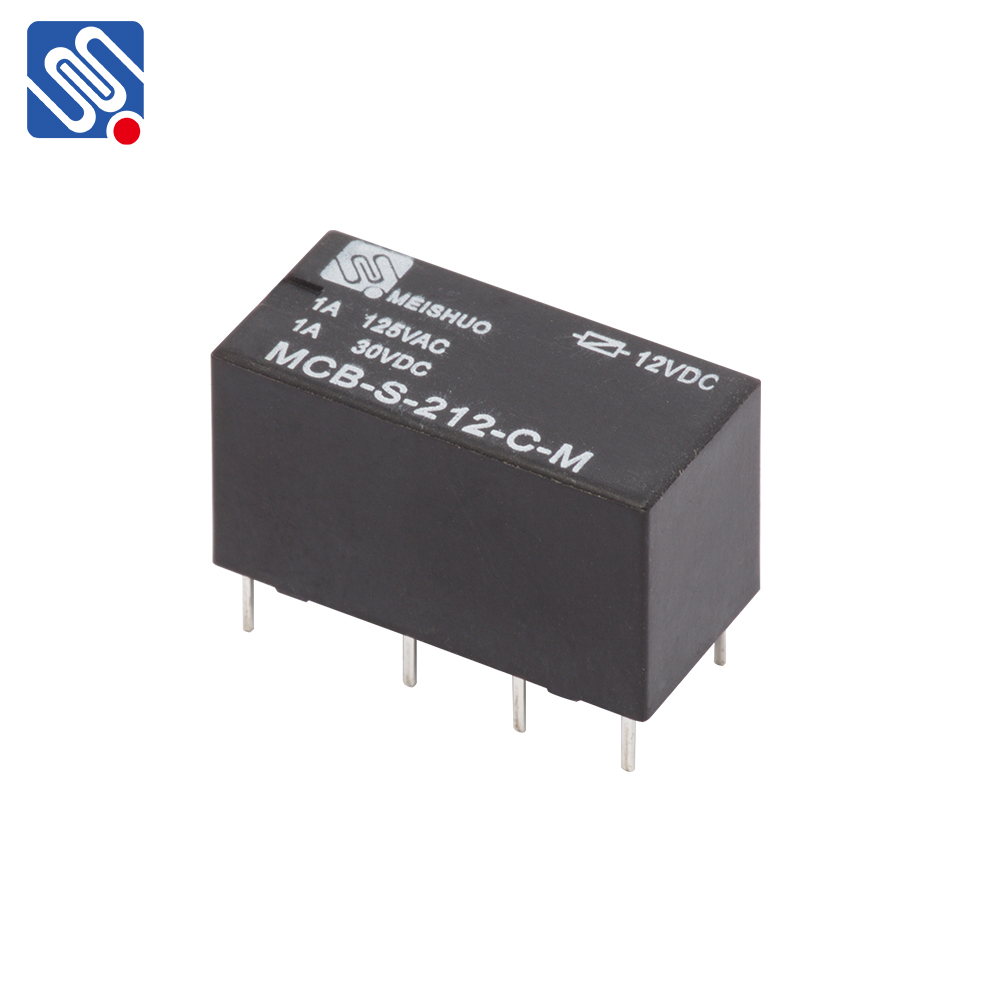
The Basic Function of Relay Signals At its core, a relay is a device that opens or closes a circuit using an electrical signal, acting as a switch. When an electrical signal is sent to the relay, it activates an electromagnet, which in turn pulls or releases a mechanical switch. This process allows a low-voltage control signal to control a high-voltage output circuit, enabling the relay to act as a mediator between different power levels. The relay signal thus refers to the electrical input that activates the relay mechanism. In essence, relay signals help automate the control of various devices, providing an efficient and safe method for switching power. For example, a thermostat in a heating system might use a relay signal to activate the heating element when the room temperature falls below a certain threshold. Similarly, automotive systems rely on relay signals to control various components such as headlights, fuel pumps, and ignition systems.




 Chat Oline