relay efficiency in modern communication networks: enhancing signal transmission and coverage
Release time:2025-12-09 11:08:10
In today's rapidly advancing communication networks, the concept of relay efficiency has become a crucial factor in optimizing performance, extending coverage, and enhancing the overall user experience. Relay nodes, acting as intermediaries between source and destination devices, play a pivotal role in ensuring reliable signal transmission. This article explores the importance of relay efficiency in modern communication systems, the factors affecting it, and how it can be optimized to improve wireless networks' overall functionality.
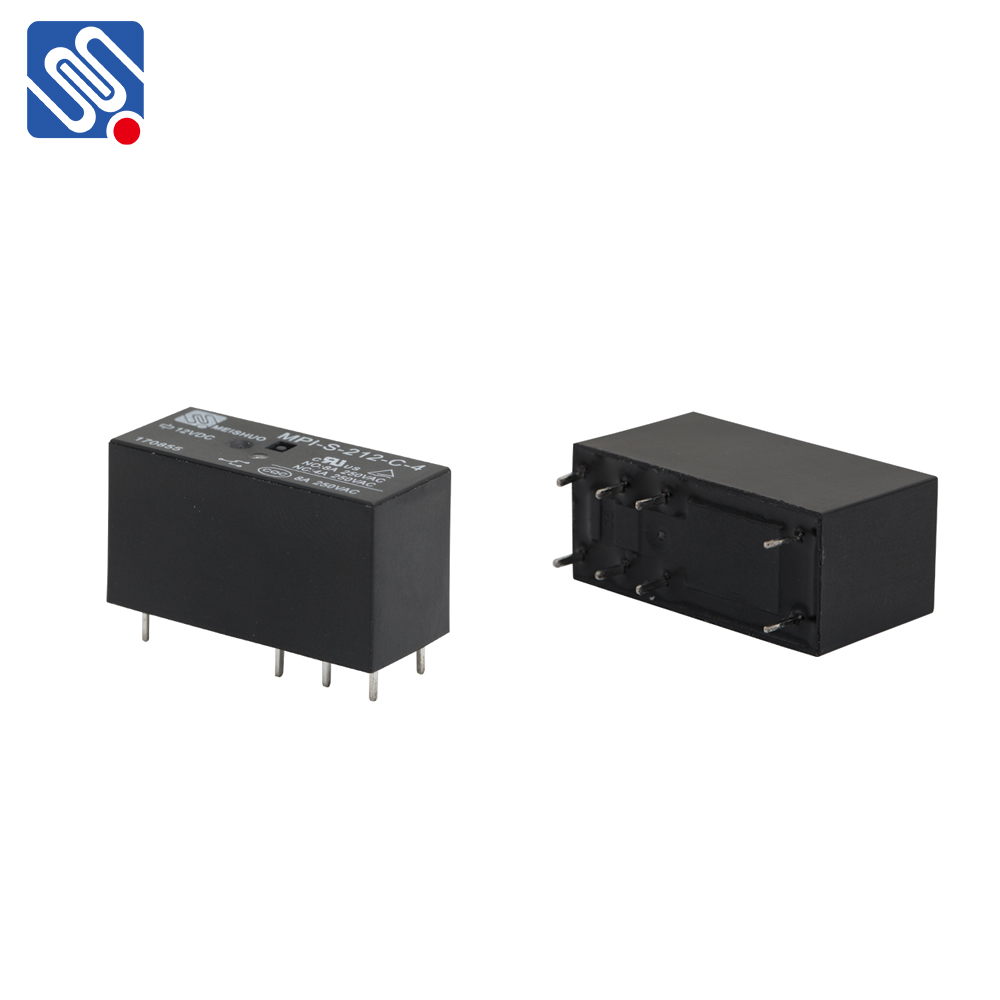
What is Relay Efficiency? Relay efficiency refers to how effectively a relay node transmits signals from a source to a destination. In wireless communication systems, relays are used to extend network coverage, increase data throughput, and reduce transmission delays. The efficiency of these relay nodes is determined by various factors, including signal strength, energy consumption, interference management, and transmission time. Essentially, high relay efficiency results in faster and more reliable communication with lower energy costs, making it essential for network optimization. Importance of Relay Efficiency




 Chat Oline