how to test industrial relay with multimeter: a comprehensive guide
Release time:2025-12-09 12:21:07
Testing an industrial relay with a multimeter is an essential skill for anyone working with electrical systems. Relays are commonly used in industrial applications to control high-power devices with a low-power signal, making them crucial components in automation systems, motor control circuits, and various other applications. However, like all electrical components, relays can malfunction over time. Testing relays for functionality can help prevent unexpected failures and costly downtime. In this article, we will walk you through how to test an industrial relay using a multimeter, ensuring you can perform basic diagnostics to check the health of your relays.
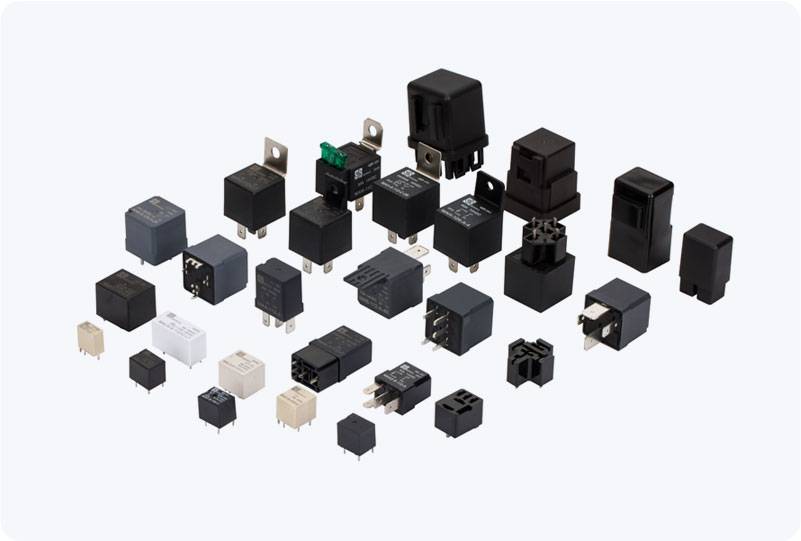
Understanding the Components of an Industrial Relay Before diving into the testing process, it's important to understand the basic components of an industrial relay. A typical industrial relay has several parts: Coil (or electromagnet): This is the part that gets energized and activates the relay. Common Terminal (COM): This terminal is typically connected to the device that will be controlled. Normally Open (NO) Contacts: These contacts remain open (disconnected) when the relay is de-energized and close when the relay is activated. Normally Closed (NC) Contacts: These contacts are closed (connected) when the relay is de-energized and open when the relay is activated.




 Chat Oline