understanding switch relays: the backbone of modern electrical control systems
Release time:2025-12-09 16:51:19
Switch relays are a fundamental component in modern electrical control systems. These devices enable low-power circuits to control higher-power circuits, making them crucial for a wide range of applications. Whether in industrial machinery, home automation, or automotive systems, switch relays play an essential role in ensuring reliable and efficient operation. This article explores the working principle, types, and uses of switch relays, shedding light on their importance in today’s technological landscape.
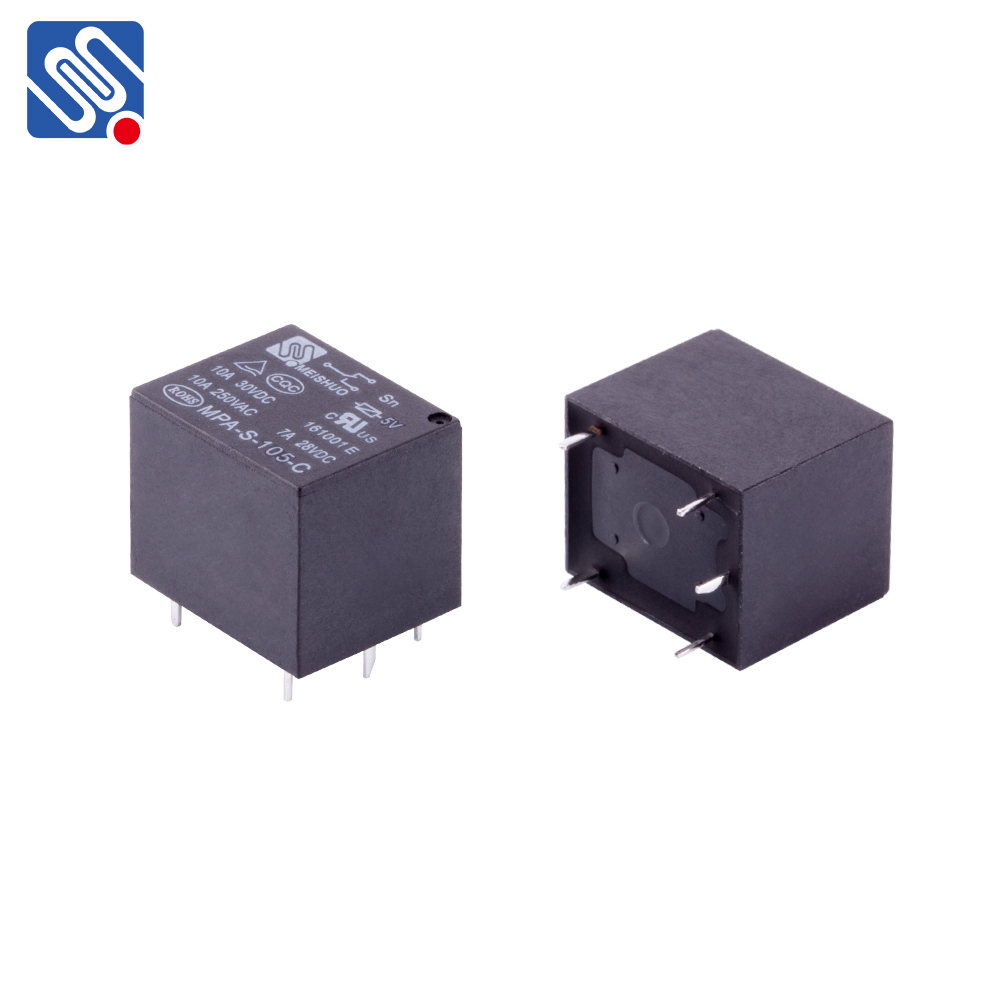
What is a Switch Relay? A switch relay is an electrically operated switch that can control a circuit by opening or closing contacts in response to an electrical signal. It uses an electromagnetic coil to activate or deactivate its mechanical contacts, allowing a small current to control a much larger current. The basic components of a switch relay include a coil, contacts (usually a set of two or more), an armature, and a spring. Working Principle The working principle of a switch relay is simple yet effective. When a current flows through the relay's coil, it creates a magnetic field. This magnetic field causes the armature to move, either closing or opening the relay's contacts. Once the current to the coil is turned off, the spring returns the armature to its original position, and the contacts are restored to their default state.




 Chat Oline