understanding the silver alloy contact relay: features, applications, and advantages
Release time:2025-12-09 20:08:17
A Silver Alloy Contact Relay is a vital component in electrical systems, used primarily to control the switching of high-voltage or high-current circuits. These relays are designed with contact points made from silver alloy, which is a composite material that enhances the overall reliability and longevity of the relay. In this article, we will explore the features, working principles, and applications of the Silver Alloy Contact Relay, as well as its advantages in various electrical and electronic systems.
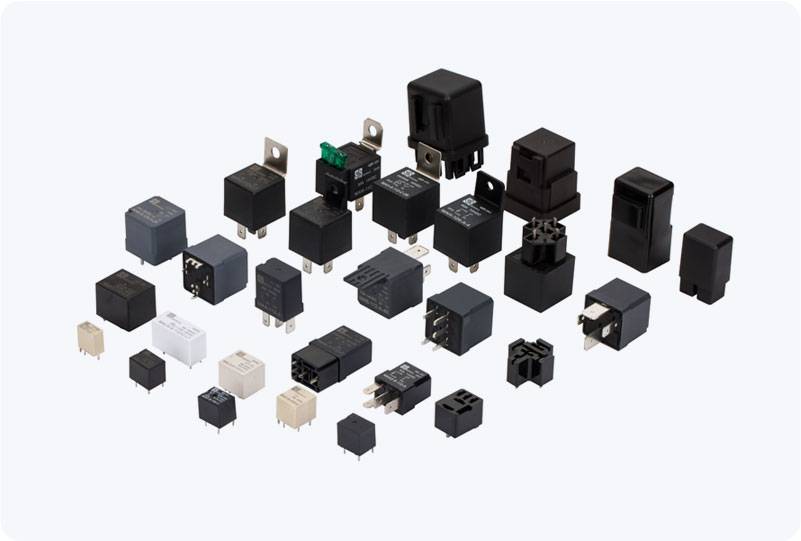
What is a Silver Alloy Contact Relay? A Silver Alloy Contact Relay is a type of electromagnetic relay where the contacts are made from silver-based alloys such as silver-copper (Ag-Cu), silver-nickel (Ag-Ni), or silver-tungsten (Ag-W). These materials are selected because of their excellent electrical conductivity, corrosion resistance, and durability. The relay is typically used for switching large currents or voltages and can be found in a variety of devices, ranging from household appliances to industrial machinery. Working Principle The working principle of a Silver Alloy Contact Relay is based on the concept of electromagnetism. When an electrical current passes through the coil of the relay, it creates a magnetic field. This magnetic field attracts or repels a movable armature, which in turn either opens or closes the relay's contacts, depending on whether it is a normally open (NO) or normally closed (NC) relay. The silver alloy contact points ensure a low-resistance connection when the relay is closed, and the material's durability prevents excessive wear during multiple switching cycles.




 Chat Oline