a comprehensive guide to the 24v 30a relay: features, applications, and benefits
Release time:2025-12-09 22:02:02
The 24V 30A relay is a key component widely used in various electrical and automation systems, offering significant advantages in terms of power control and system reliability. A relay is an electrically operated switch that allows the control of high-voltage circuits by using a low-voltage signal, making it an essential part of many electrical devices. This article explores the features, applications, and benefits of the 24V 30A relay, a powerful tool designed for high-current switching.
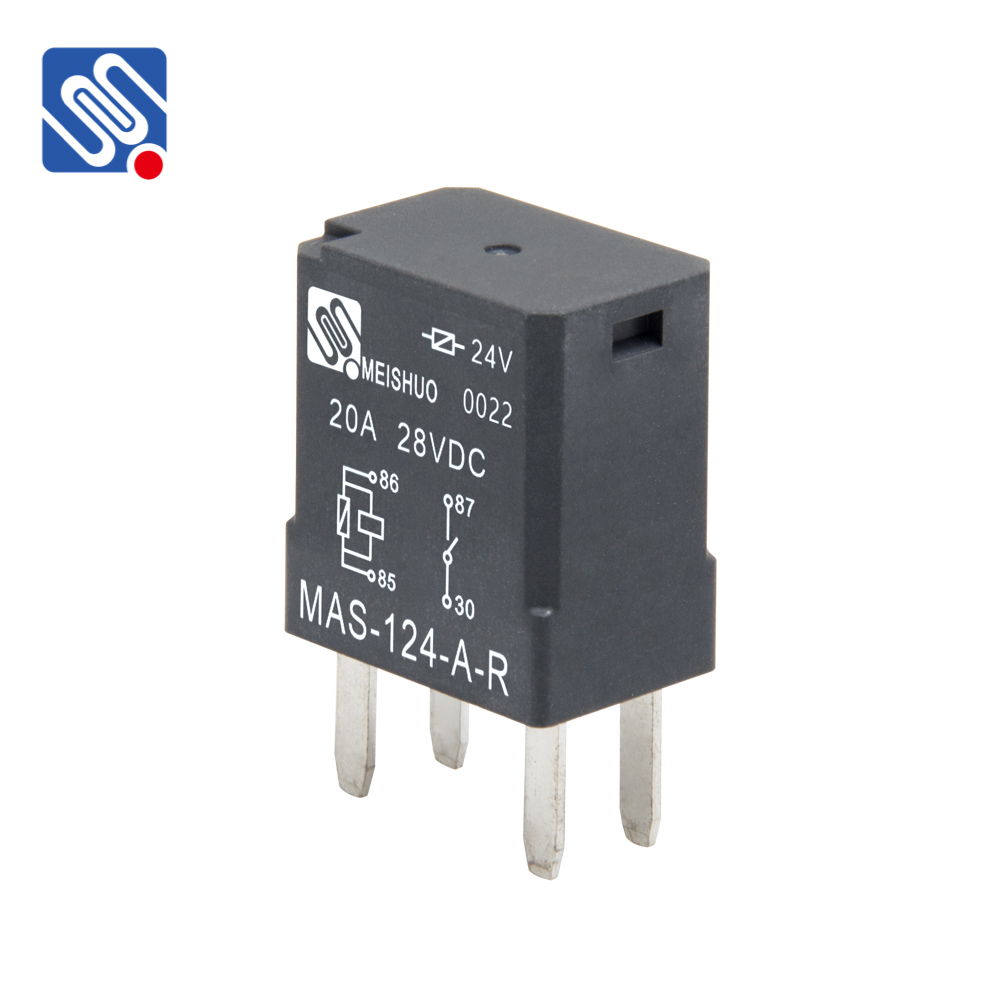
What is a 24V 30A Relay? A 24V 30A relay is an electromagnetic switch designed to control circuits with a maximum load of 30 amps at 24 volts. The relay consists of two main components: the coil and the contacts. When a current flows through the coil, it creates a magnetic field that activates the relay's contacts, either opening or closing them, to control the connected load. 24V refers to the voltage required to activate the relay's coil. 30A refers to the maximum current the relay can safely switch on the load side. The 24V 30A relay can either be designed for DC (direct current) or AC (alternating current) circuits, depending on the application requirements.




 Chat Oline