understanding the importance of circuit breaker relay in electrical systems
Release time:2025-12-10 05:22:56
In electrical systems, safety and reliability are of utmost importance. Circuit Breaker Relays (CBRs) are key components that ensure these systems function without posing risks to equipment, people, or infrastructure. They combine the functionality of a circuit breaker and a relay, offering an advanced form of protection in both low and high-voltage environments. This article explores the importance, working principle, and applications of Circuit Breaker Relays, highlighting why they are indispensable in modern electrical systems.
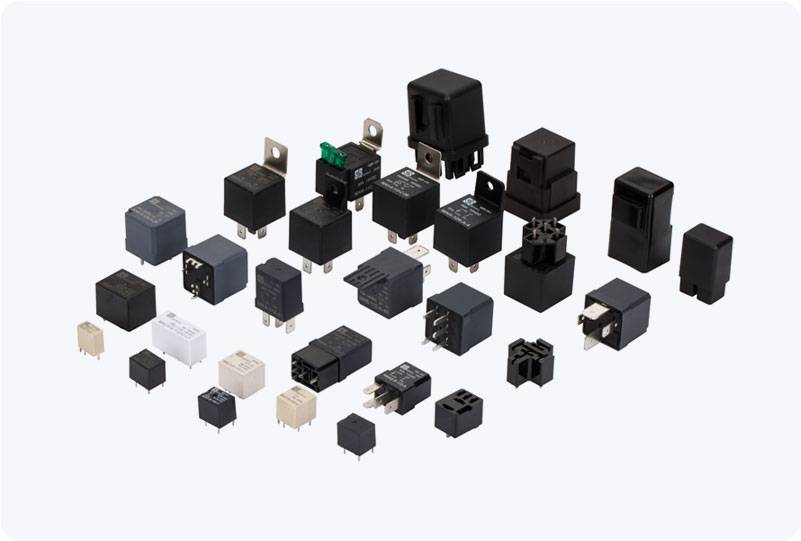
What is a Circuit Breaker Relay? A Circuit Breaker Relay (CBR) is an integrated device designed to protect electrical circuits from damage caused by overloads, short circuits, or other faults. It combines the characteristics of a circuit breaker, which interrupts the flow of electricity during abnormal conditions, with the control and monitoring abilities of a relay. By doing so, a CBR offers enhanced protection, automatic fault detection, and faster response times than traditional circuit protection methods. The circuit breaker component physically disconnects the circuit when an abnormal condition arises, while the relay functions by detecting the fault and triggering the breaker. This synergy makes CBRs particularly effective in safeguarding electrical systems from potentially devastating failures.




 Chat Oline