understanding direct acting solenoid valve: applications, benefits, and working principles
Release time:2025-12-10 13:35:58
A Direct Acting Solenoid Valve is a type of solenoid-operated valve that uses the direct force of an electromagnetic coil to control the opening and closing of the valve. Unlike other types of solenoid valves that require external pressure sources to function, direct acting solenoid valves work purely by the magnetic force generated when the solenoid coil is energized. This makes them ideal for small-scale applications where precise control and quick responses are crucial.
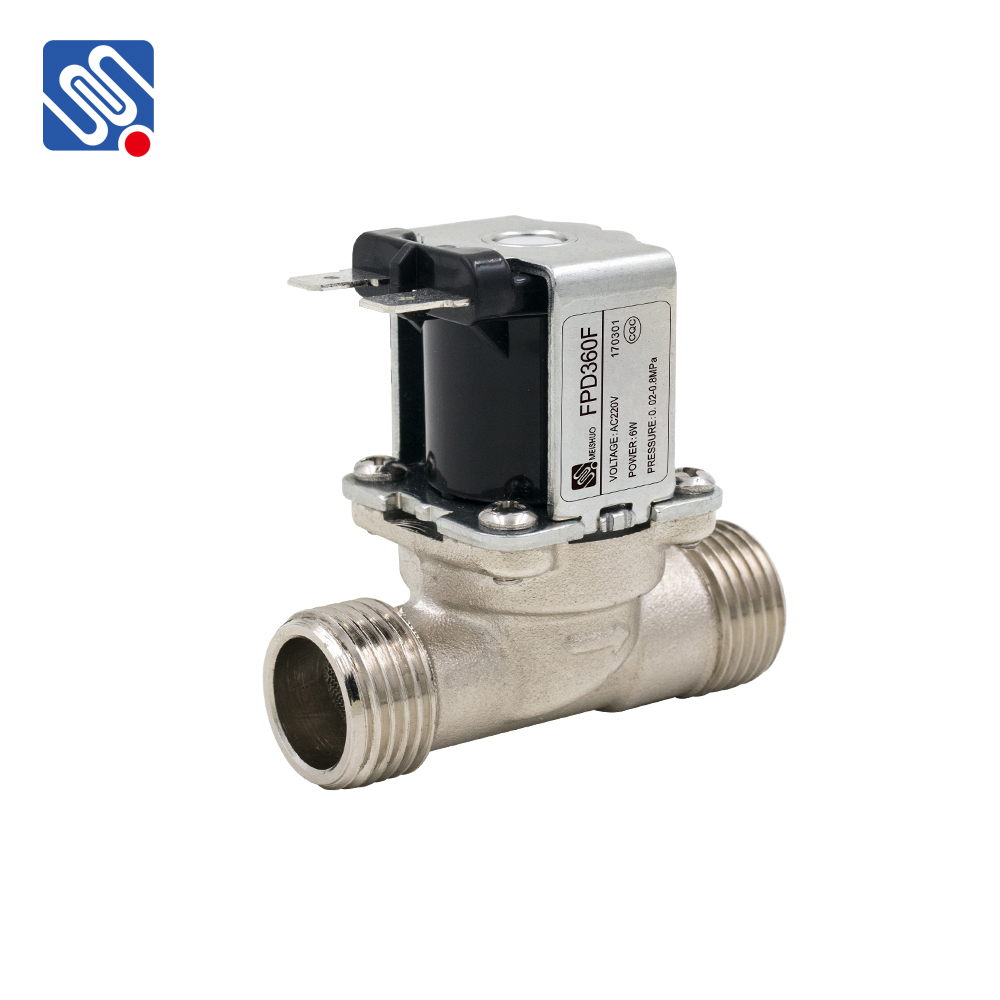
How Does a Direct Acting Solenoid Valve Work? The working principle of a direct acting solenoid valve is relatively straightforward. The valve consists of several key components, including a solenoid coil, a plunger (or valve stem), and the valve body. When current flows through the coil, it generates a magnetic field, which in turn pulls or pushes the plunger to open or close the valve. The valve's position is maintained by the magnetic force until the current is turned off, causing the plunger to return to its original position. One of the primary features that distinguishes direct acting solenoid valves from other solenoid valves is that they do not rely on external pressure (such as system pressure) to actuate the valve. The solenoid coil's electromagnetic force is sufficient to move the valve mechanism, making it suitable for small flow and low-pressure applications. This unique feature allows for a very responsive and precise control mechanism.




 Chat Oline