water treatment system solenoid valve: key components and applications in modern water treatment
Release time:2025-12-10 14:36:51
Water treatment systems play a vital role in ensuring the safe and efficient use of water resources. Among the various components of such systems, the solenoid valve is an essential element that helps control the flow of water, ensuring optimal performance and water quality. In this article, we will explore the role of water treatment system solenoid valves, their types, applications, and maintenance considerations.
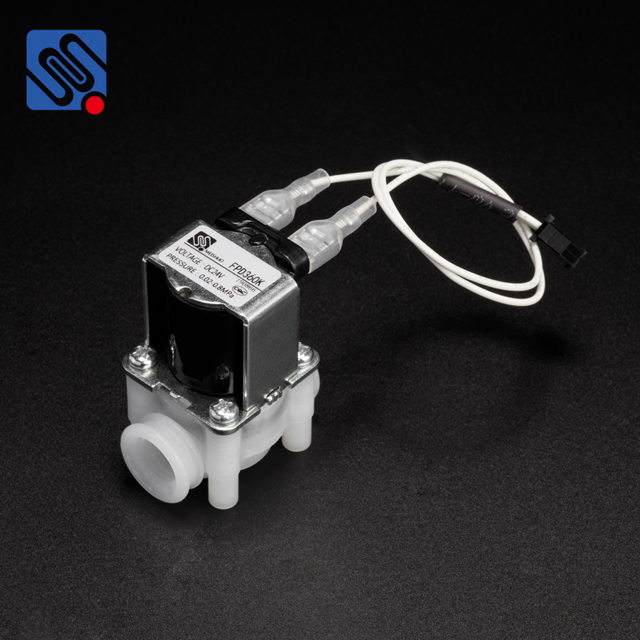
What is a Solenoid Valve? A solenoid valve is an electromechanical device used to control the flow of liquids or gases in a system. It operates by using an electric current to produce a magnetic field, which moves a plunger inside the valve, thereby opening or closing the valve to regulate the flow of fluid. In water treatment systems, solenoid valves play a crucial role in automating water flow, ensuring that water is efficiently treated, filtered, and distributed. Types of Solenoid Valves Used in Water Treatment Systems Direct-Acting Solenoid Valve A direct-acting solenoid valve is a simple and reliable type of valve where the solenoid directly controls the opening and closing of the valve. This type of valve is best suited for applications with small flow rates and lower pressures, making it ideal for smaller water treatment systems or specific treatment steps like filtration.




 Chat Oline