understanding low voltage dc relay: principles, applications, and advantages
Release time:2025-12-10 15:25:52
A Low Voltage DC Relay is a type of electromagnetic switch that plays a crucial role in controlling electrical circuits, especially in low voltage direct current (DC) systems. Relays, in general, are devices that open or close circuits when activated by a small electrical signal. These switches are widely used in various electronic systems to enable automation, safety, and efficiency. In this article, we will delve into the principles of operation, common applications, and the advantages of using Low Voltage DC Relays in modern electronic systems.
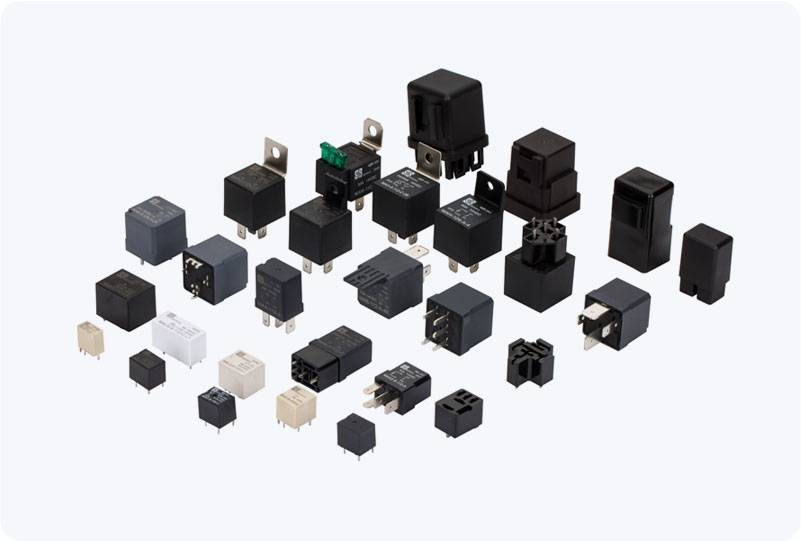
Principles of Operation The core function of a Low Voltage DC Relay is to control a higher power circuit with a low voltage DC signal. The relay consists of two main components: the coil and the contacts. Coil: The coil is an electromagnet that, when energized, generates a magnetic field. The control signal, typically a low voltage DC signal (ranging from 5V to 24V), is applied to the coil, activating it. The magnetic field produced by the energized coil causes the relay's internal switch (contacts) to change state. Contacts: The contacts can either be normally open (NO) or normally closed (NC). In the case of NO contacts, when the coil is unpowered, the contacts remain open (circuit is off). Once the coil is energized, the contacts close, allowing current to flow through the circuit. Conversely, with NC contacts, the contacts are initially closed, and they open when the relay is activated.




 Chat Oline