understanding automotive relay coil specifications: key factors for optimal performance
Release time:2025-12-10 18:44:36
Automotive relays play a crucial role in controlling electrical circuits within a vehicle. They act as electrically operated switches that allow a low-power signal to control a high-power circuit, ensuring that the vehicle’s systems operate efficiently and safely. The coil specifications of Automotive relays are fundamental to their function, as they determine how the relay will perform under different electrical conditions. In this article, we will explore the key Automotive relay coil specifications and their impact on relay performance.
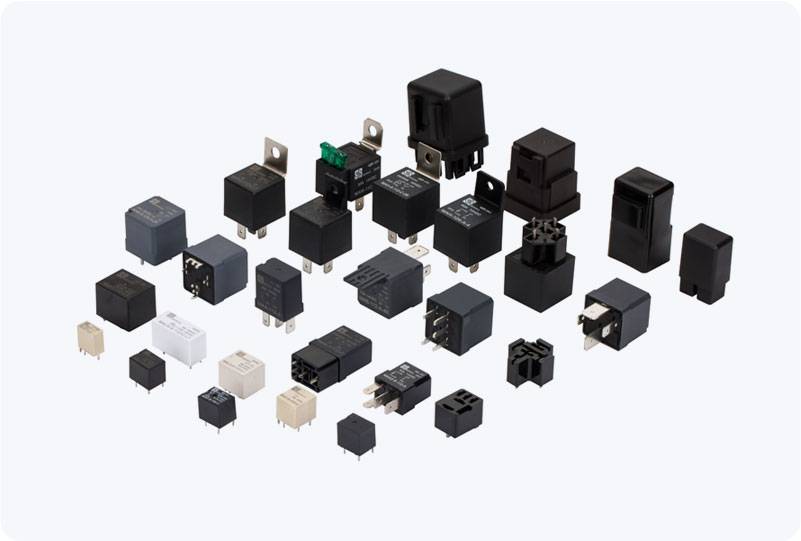
1. Coil Voltage One of the primary specifications for any automotive relay is the coil voltage, which is the voltage required to energize the coil and switch the internal contacts of the relay. In most automotive applications, the relay coil is designed to operate at either 12V or 24V, as these are the standard voltages for automotive electrical systems. The coil voltage determines the amount of power needed to activate the relay and the corresponding current draw. Relays designed for 12V systems are common in light vehicles, while 24V systems are generally found in commercial vehicles or heavy-duty trucks. It’s essential to match the coil voltage of the relay with the vehicle’s electrical system to ensure reliable operation.




 Chat Oline