high current relay: essential components for high-power applications
Release time:2025-12-11 00:01:09
High current relays (HCRs) are indispensable components in modern electrical systems, offering robust solutions for controlling high-power loads in various industries. These specialized relays are designed to handle currents far beyond the capabilities of standard relays, making them crucial in applications ranging from automotive electronics to industrial machinery. This article explores the working principles, applications, and importance of high current relays in ensuring the safety and efficiency of electrical circuits.
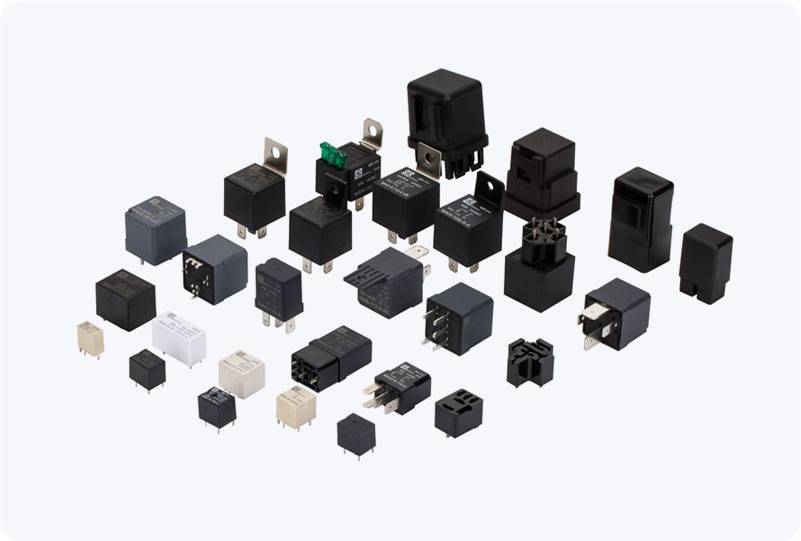
What is a High Current Relay? A high current relay is an electromechanical device used to control circuits that require high electrical current, typically above 10A, often reaching up to several hundred amperes. These relays consist of an electromagnet, a set of contacts, and a spring-loaded mechanism. When a low-current control signal is applied to the electromagnet, it activates the relay, causing the contacts to close or open, thus enabling or interrupting the flow of current in the main circuit. The ability to control such high current loads with a relatively low input is one of the defining features of high current relays.




 Chat Oline