ieee standards for industrial relays: ensuring reliability and safety in power systems
Release time:2025-12-11 01:26:28
The IEEE Standards for Industrial Relays play a critical role in ensuring the safe, efficient, and reliable operation of electrical power systems. Relays are essential components in electrical systems, acting as protective devices that safeguard equipment from damage caused by electrical faults. In industrial settings, these systems must be robust, accurate, and resilient to withstand the various challenges posed by harsh operating conditions. IEEE (Institute of Electrical and Electronics Engineers) has established a series of standards to guide the design, testing, and application of relays, ensuring they meet the performance and safety requirements of modern power systems.
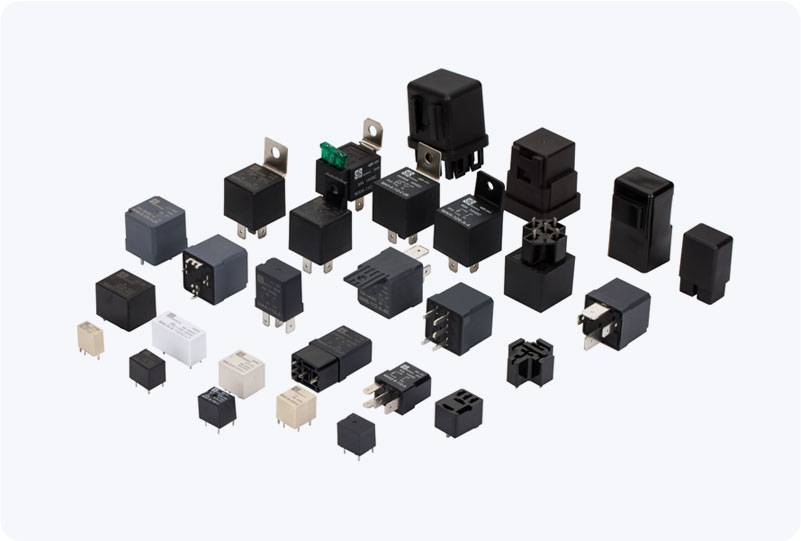
Understanding the Role of Industrial Relays Industrial relays serve as the first line of defense against electrical faults, such as overloads, short circuits, and other abnormalities that could potentially damage electrical equipment or pose safety risks. These devices detect irregularities in the electrical flow and trigger mechanisms that disconnect affected components, preventing further damage to the system. Given their critical role, the design and operation of relays must be meticulously standardized to ensure their reliability and performance in a wide range of industrial environments.




 Chat Oline