relay vs fuse in car: understanding their differences and functions
Release time:2025-12-11 02:10:59
When it comes to the electrical systems in cars, two essential components that help ensure safety and functionality are relays and fuses. While they serve different purposes, both are crucial for the efficient operation of your car's electrical systems. Despite their different functions, relays and fuses work hand in hand to maintain the integrity of your vehicle’s electrical circuits, protecting it from damage and preventing potential hazards. This article will dive deep into the differences between relays and fuses, explaining their roles in automotive systems.
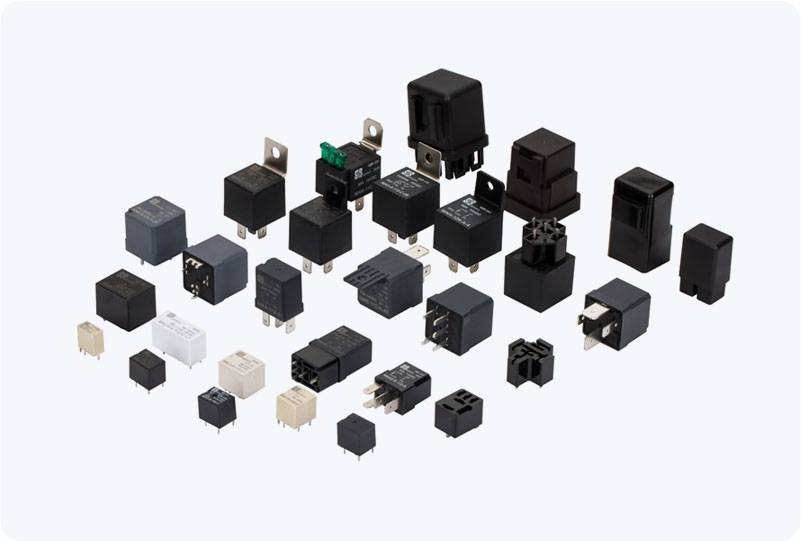
What Is a Relay in a Car? A relay is an electrical switch used to control a high-power circuit using a low-power signal. In simple terms, it’s a device that allows a small electrical current to control a larger one. A relay typically consists of an electromagnet, a set of contacts, and a spring. When the relay is energized by a small current, the electromagnet creates a magnetic field that moves the contacts, allowing or stopping the flow of current in a high-power circuit. In a car, relays are used in various applications, such as operating the headlights, starting the engine, or controlling the air conditioning system. They are found in a car’s fuse box or relay panel and are often employed when a high-power circuit needs to be switched on or off from a distance.




 Chat Oline