


Automotive relays are crucial components in modern vehicles, playing an essential role in the functioning of electrical systems. While often overlooked, relays ensure the efficient operation of everything from lights to engines. They act as switches, allowing low-power circuits to control high-power electrical loads, thus safeguarding other sensitive electronic parts. This article explores the role, functionality, types, and significance of Automotive relays in today's cars.
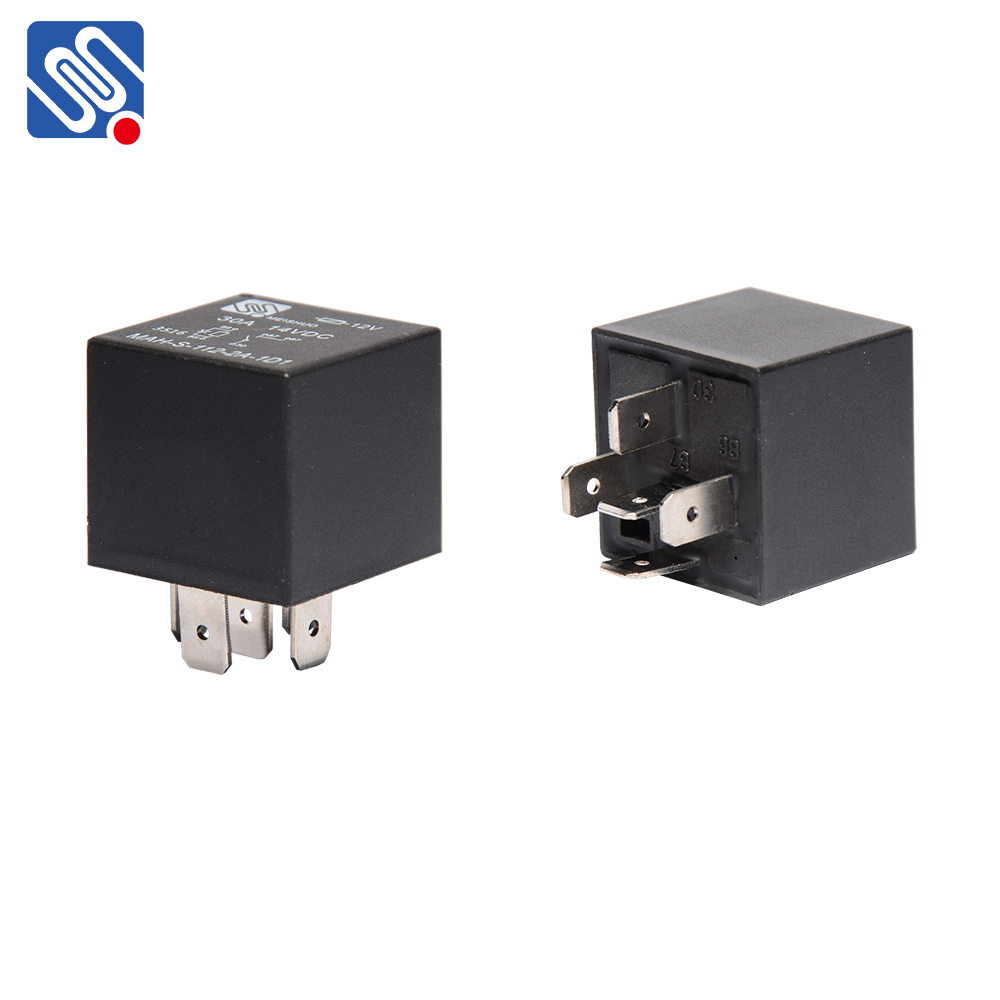
Functionality in Automotive Systems
In a typical car, relays are used to manage a wide range of electrical functions. These include controlling lights, air conditioning, windshield wipers, and the vehicle's ignition system. By using relays, manufacturers can reduce the complexity of wiring and minimize the risk of overloading delicate components. For instance, rather than using heavy-duty switches that could be prone to failure, relays are used to control high-power devices like headlights, offering greater reliability and reducing the strain on the vehicle's electrical system.

 Chat Oline