the importance and applications of low-power relays in modern electronics
Release time:2025-12-11 05:13:21
In today's fast-paced world, energy efficiency is at the forefront of technological advancements. As electronic devices become increasingly compact and battery-powered, minimizing power consumption has become a crucial consideration. One such innovation that supports this shift is the low-power relay. These relays play a vital role in enabling devices to function efficiently while conserving energy. In this article, we will explore the characteristics, working principles, and key applications of low-power relays in modern electronics.
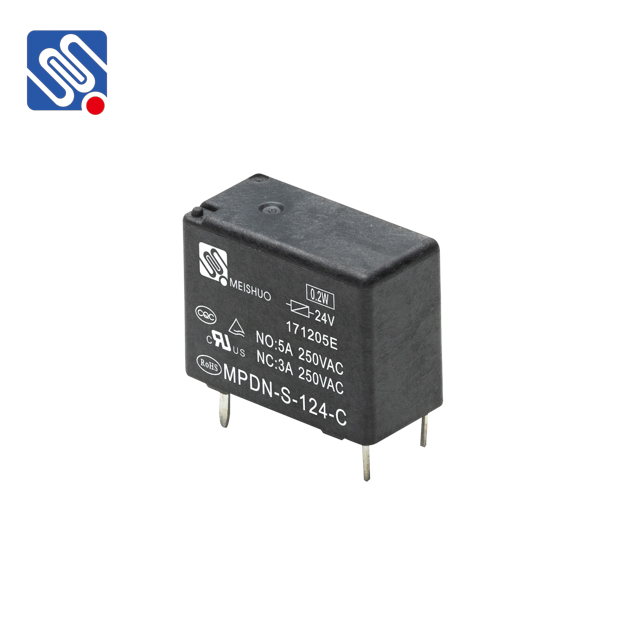
What is a Low-Power Relay? A low-power relay is a type of electromagnetic switch that operates using a significantly lower power input compared to traditional relays. Typically, a relay consists of a coil that, when energized, generates a magnetic field strong enough to move a switch and either open or close a circuit. However, a low-power relay is designed to work with reduced electrical power, making it ideal for energy-sensitive applications such as battery-powered devices, portable electronics, and smart home systems. The primary difference between a low-power relay and its conventional counterpart lies in its power consumption. Traditional relays often require substantial control power to activate the coil, leading to higher energy use. Low-power relays, on the other hand, require much less voltage and current, thereby reducing the overall energy consumption without sacrificing functionality.




 Chat Oline