plastic water flow control valve: essential solutions for water flow regulation
Release time:2025-12-11 13:19:57
Plastic Water Flow Control Valves are integral components in modern fluid control systems, providing efficient solutions for regulating the flow of water across a wide range of applications. These valves are particularly known for their versatility, durability, and cost-effectiveness, making them an excellent choice for industries that require precise water flow management. This article explores the various aspects of Plastic Water Flow Control Valves, including their types, benefits, applications, and the factors to consider when selecting the right valve for specific needs.
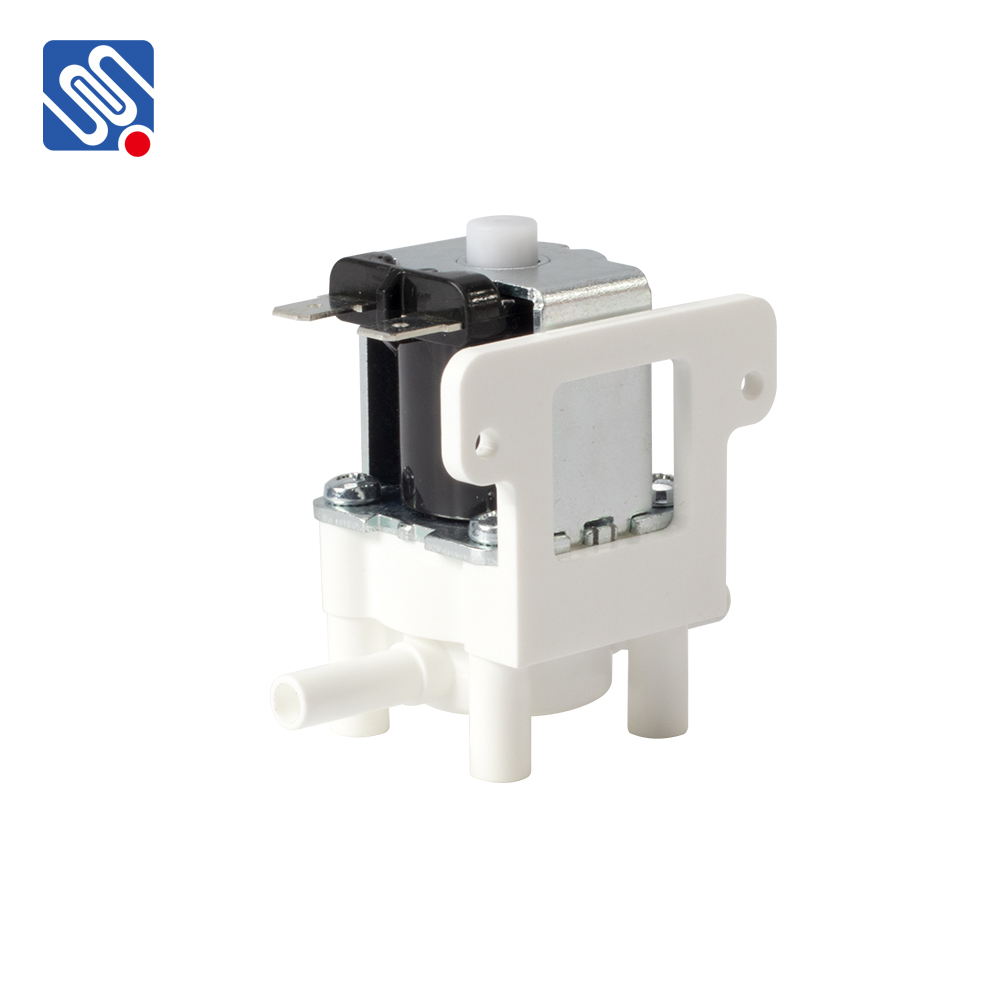
Understanding Plastic Water Flow Control Valves At its core, a Plastic Water Flow Control Valve is designed to control the flow rate of water within a pipeline system. By adjusting the valve, users can restrict or allow the water to flow freely through the pipe. The flow control mechanism helps to maintain a steady, optimized flow rate, which is critical for preventing system failures, saving energy, and ensuring proper operation. These valves are made from various plastic materials, including polyvinyl chloride (PVC), polyethylene (PE), and acrylonitrile-butadiene-styrene (ABS). The choice of material depends on the specific demands of the system, including the required durability, chemical resistance, and pressure tolerance. PVC is one of the most commonly used materials because of its affordability, lightweight nature, and resistance to corrosion, making it suitable for both residential and industrial applications.




 Chat Oline