understanding ground fault relay: protection for electrical systems
Release time:2025-12-11 13:48:59
Ground Fault Relays (GFR) play a critical role in the safety and protection of electrical systems. Designed to detect fault currents caused by an unintended connection between a live conductor and the ground, these relays prevent serious damage to electrical equipment and reduce the risk of fire hazards. In this article, we will explore the function, working principle, applications, and importance of Ground Fault Relays in modern electrical systems.
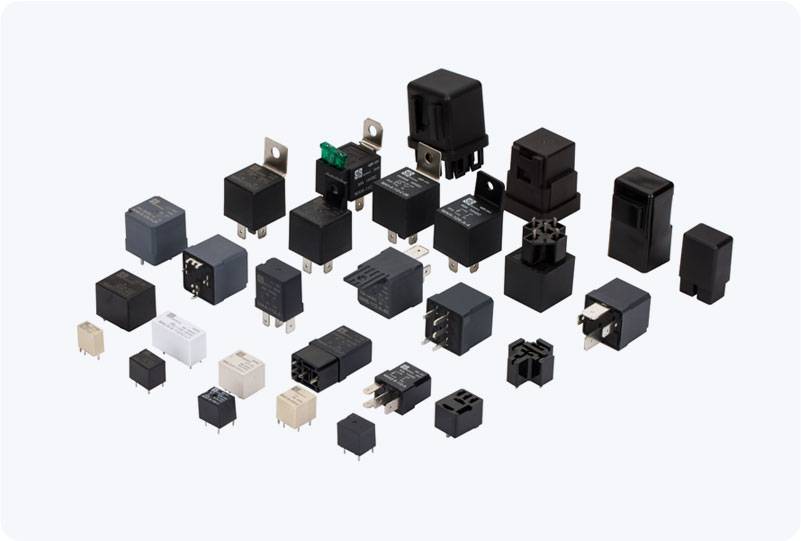
What is a Ground Fault Relay? A Ground Fault Relay (GFR) is a protective device used in electrical circuits to detect ground faults. A ground fault occurs when electricity flows through an unintended path to the ground, potentially causing damage to electrical systems, equipment, or even posing a significant risk to human life. The Ground Fault Relay is designed to monitor and detect these faults by sensing abnormal current flow and immediately signaling the need for corrective action, such as cutting off the power supply or activating an alarm. The Importance of Ground Fault Detection




 Chat Oline