industrial power relay for motor control: key components and applications
Release time:2025-12-11 17:57:42
In industrial applications, managing the power and control of electric motors is a critical aspect of automation and machinery operations. One essential component in this process is the Industrial Power Relay for Motor Control, a device designed to handle the switching of high-power circuits, particularly for motors. These relays serve as the bridge between low-power control systems and high-power motor operations, ensuring efficient, safe, and reliable performance in a variety of industries. In this article, we will explore the working principle, applications, types, and key considerations when selecting an industrial power relay for motor control.
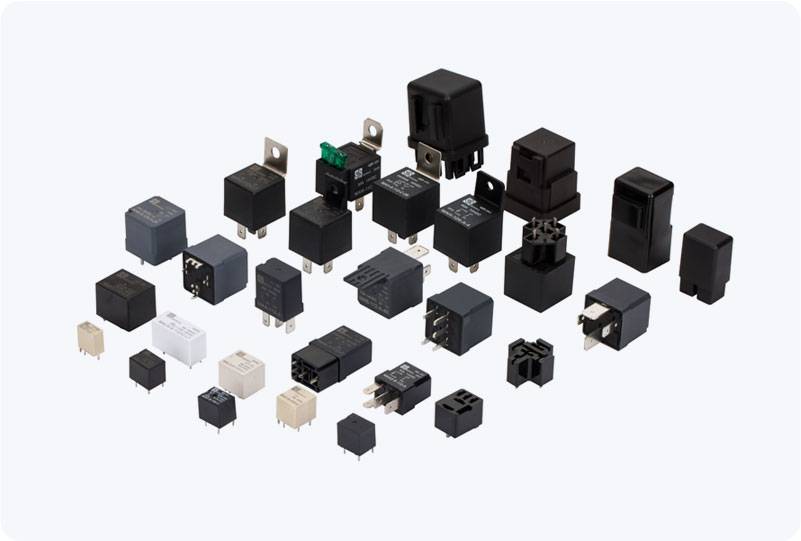
1. Working Principle of Industrial Power Relays An Industrial Power Relay is an electromechanical device that consists of an electromagnet, armature, and contacts. When an electrical control signal is sent to the coil (electromagnet), it generates a magnetic field, causing the armature to move. This movement opens or closes the contacts, thus controlling the flow of electricity to a motor or other load. The relay's primary role in motor control is to allow low-power signals to control the switching of high-power circuits. For example, a relay can be used to start and stop motors or even reverse the direction of rotation. The contacts of the relay provide a secure and controlled means to energize or de-energize motor circuits, typically using control systems such as programmable logic controllers (PLCs) or manual switches.




 Chat Oline