ssr for new energy vehicles: enhancing efficiency and reliability in electric power control
Release time:2025-12-11 19:05:24
Solid-State Relays (SSRs) have become a crucial component in the advancement of New Energy Vehicles (NEVs). As electric vehicles (EVs) and hybrids continue to gain popularity due to their environmental benefits and energy efficiency, the role of advanced electrical components such as SSRs in ensuring optimal performance cannot be overstated. SSRs, which are electronic devices used for switching circuits without moving parts, offer distinct advantages over traditional electromechanical relays, including faster response times, higher reliability, and greater durability. In the context of NEVs, these benefits are pivotal in ensuring the safe and efficient operation of various systems, including battery management, motor control, and charging infrastructure.
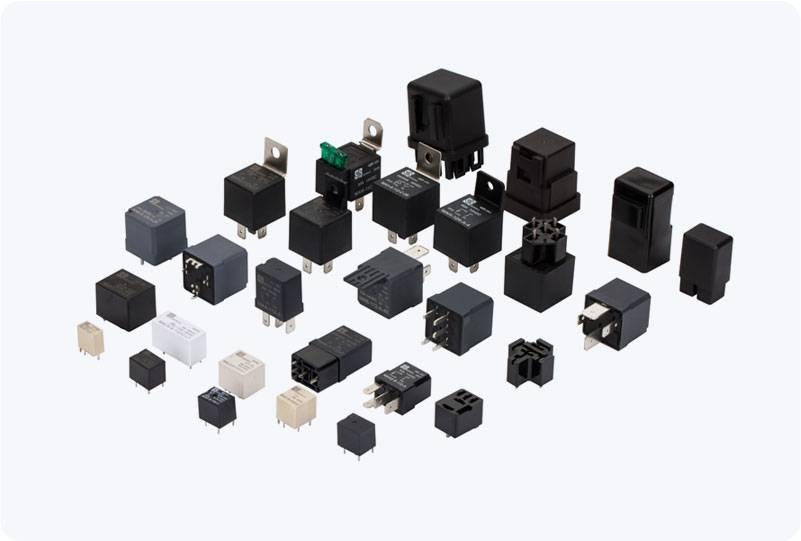
1. Battery Management System (BMS) One of the most critical components in any New Energy Vehicle is its Battery Management System (BMS). The BMS is responsible for monitoring and controlling the performance of the battery pack, ensuring that it operates within safe limits and optimizes energy usage. In this domain, SSRs play an essential role in providing precise switching control for charging and discharging cycles. With the high demands on safety and efficiency in modern electric vehicles, traditional mechanical relays can no longer meet the required performance standards due to their slower response times and wear-and-tear issues. SSRs, on the other hand, provide immediate and accurate switching, enabling real-time adjustments to the battery's charge status, temperature, and current levels. The enhanced durability of SSRs further ensures that the BMS operates reliably over the vehicle's lifespan, minimizing the risk of failure or degradation over time.




 Chat Oline