understanding power relays: the backbone of high-power control systems
Release time:2025-12-12 00:00:29
Power relays are critical components in the realm of electrical systems, offering a bridge between low-power control circuits and high-power load systems. These devices, integral to automation, automotive, industrial, and household applications, serve as the unsung heroes in various fields requiring precise, efficient power management. In this article, we will explore the concept, function, and application of power relays, as well as their importance in modern-day technology.
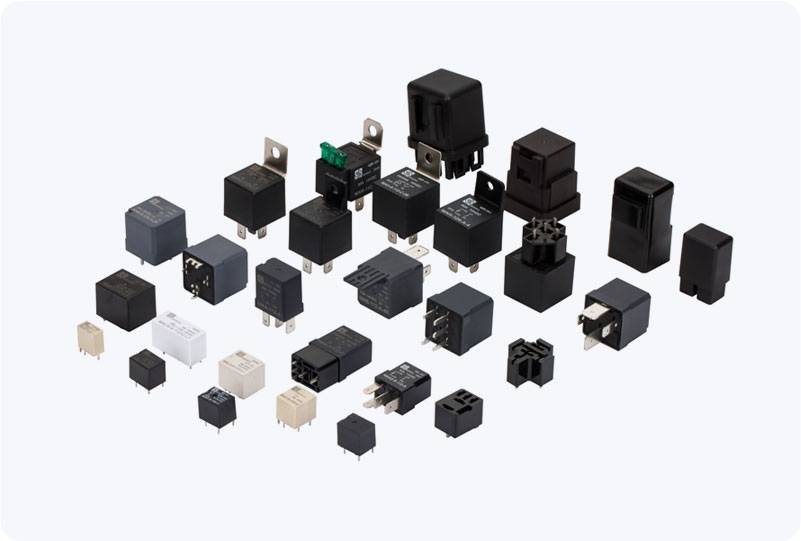
What is a Power Relay? A power relay is an electrically operated switch that allows the control of high-power circuits by low-power electrical signals. In its most basic form, a relay consists of a coil, a set of contacts, and an armature. When an electric current flows through the coil, it generates a magnetic field that either attracts or repels the armature, opening or closing the contacts. This action enables the relay to control the power to an external device, such as a motor, light, or industrial machinery. Power relays are typically used in situations where the control circuit must be isolated from the power circuit, providing a safe and reliable way to manage high-voltage, high-current devices with a low-voltage, low-current signal.




 Chat Oline