understanding relay voltage: key to reliable circuit control
Release time:2025-12-12 03:44:20
Relays are widely used in electrical systems to control various devices and automate processes. They serve as switches that operate on the principle of electromagnetism. The term "relay voltage" refers to the voltage required to activate a relay’s coil, enabling it to change the state of a circuit. In this article, we will explore the concept of relay voltage, its significance in ensuring reliable operation, and the factors to consider when selecting the right relay for your application.
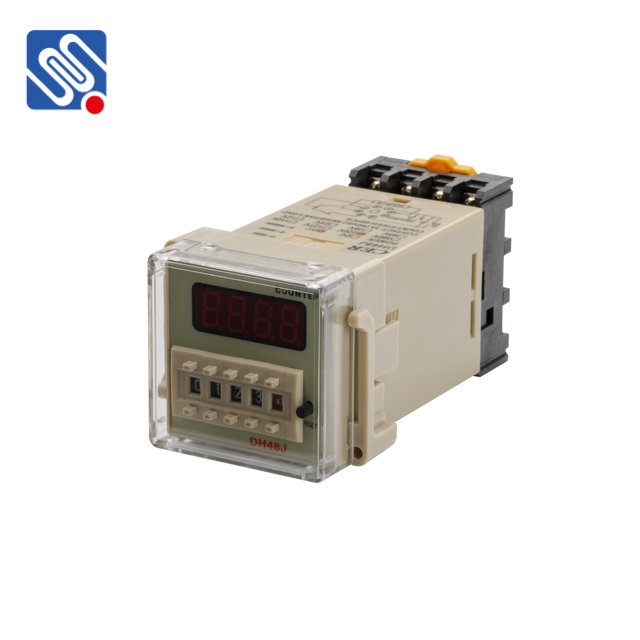
What is Relay Voltage? Relay voltage, often referred to as the coil voltage, is the electrical voltage supplied to the relay’s coil. When an appropriate voltage is applied to the coil, it creates a magnetic field that pulls a set of contacts together or forces them apart, depending on the relay design. This operation allows the relay to control larger currents and different voltage levels, effectively acting as a switch that can control high-power circuits with low-power signals. There are two main types of relay voltages: direct current (DC) and alternating current (AC). The type of voltage used depends on the design of the relay and the electrical system it is integrated into.




 Chat Oline