


Direct acting solenoid valves represent a critical component in modern fluid control systems, offering precise, reliable, and efficient operation across a wide range of industrial and commercial applications. Unlike pilot-operated solenoid valves, which rely on fluid pressure to assist in valve actuation, direct acting models utilize the direct force generated by the solenoid coil to open or close the valve, making them particularly suitable for low-pressure and vacuum applications.
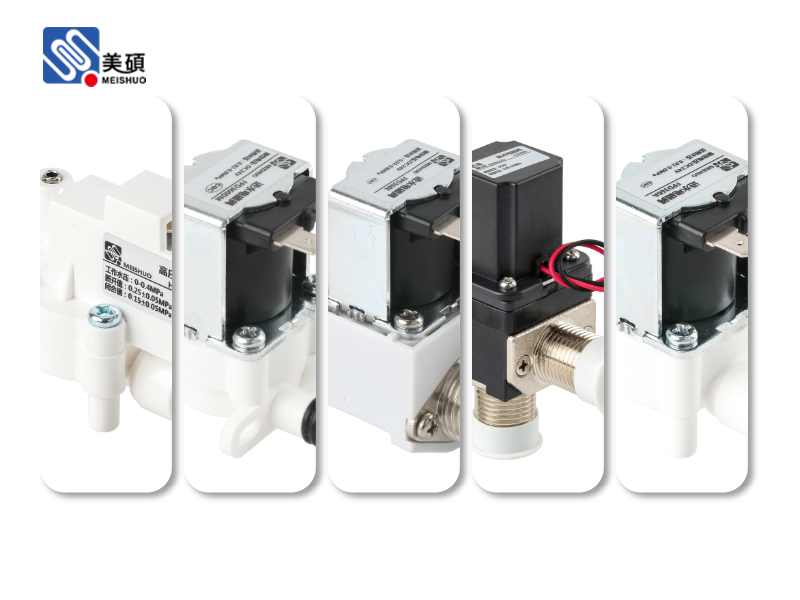
At the heart of a direct acting solenoid valve is the solenoid coil, which when energized, creates a magnetic field that attracts a plunger or armature connected to the valve seal. This direct mechanical action moves the seal away from the valve seat, allowing fluid to flow through the valve. When the coil is de-energized, a spring returns the plunger and seal to their original position, closing the valve and stopping fluid flow. This simple yet effective design ensures rapid response times, typically in milliseconds, making direct acting solenoid valves ideal for applications requiring quick on/off cycles.
One of the key advantages of direct acting solenoid valves is their ability to operate reliably even in low-pressure or vacuum conditions. Since they do not depend on fluid pressure to actuate the valve, they can handle applications where the inlet pressure is very low or even negative, such as in vacuum systems, medical equipment, and analytical instruments. This versatility sets them apart from pilot-operated valves, which require a minimum inlet pressure to function properly.
Direct acting solenoid valves are also known for their compact size and lightweight construction, making them easy to install and integrate into existing systems. Their simple design with fewer moving parts reduces the risk of mechanical failure, resulting in lower maintenance requirements and longer service life. Additionally, the absence of pilot lines and auxiliary components simplifies the overall system design, reducing potential points of leakage and improving system efficiency.
In terms of applications, direct acting solenoid valves find widespread use in industries such as automotive, pharmaceuticals, food and beverage, water treatment, and HVAC. In the automotive sector, they are used in fuel injection systems, transmission control, and emission control systems, where precise fluid control is essential for optimal performance and compliance with environmental regulations. In the pharmaceutical industry, direct acting solenoid valves play a crucial role in drug manufacturing processes, ensuring the sterile and accurate delivery of fluids in critical applications such as chromatography and fermentation.
Another important application area is in the food and beverage industry, where direct acting solenoid valves are used to control the flow of ingredients, cleaning solutions, and process water. Their ability to handle both liquid and gas media, combined with their hygienic design options, makes them suitable for use in sanitary environments where cleanliness and product safety are paramount. In water treatment plants, these valves are employed to regulate the flow of chemicals, such as chlorine and coagulants, ensuring the efficient and safe treatment of drinking water and wastewater.
When selecting a direct acting solenoid valve, several factors must be considered to ensure optimal performance. These include the type of fluid being controlled (liquid, gas, or steam), the operating pressure and temperature range, the required flow rate, and the electrical specifications of the solenoid coil. Additionally, the material of construction, such as brass, stainless steel, or plastic, should be chosen based on the compatibility with the fluid and the operating environment to prevent corrosion and ensure long-term reliability.
In conclusion, direct acting solenoid valves offer a host of benefits that make them an indispensable component in modern fluid control systems. Their direct actuation mechanism provides reliable operation in low-pressure and vacuum conditions, while their compact design and low maintenance requirements make them cost-effective solutions for a wide range of applications. As technology continues to advance, direct acting solenoid valves are likely to see further improvements in efficiency, durability, and functionality, solidifying their position as a cornerstone of fluid control technology in the years to come.

 Chat Oline