


AC solenoid valves are essential components in modern fluid control systems, playing a crucial role in various industrial, commercial, and residential applications. These electromechanical devices use alternating current (AC) to control the flow of liquids or gases, providing precise and reliable operation in diverse environments.
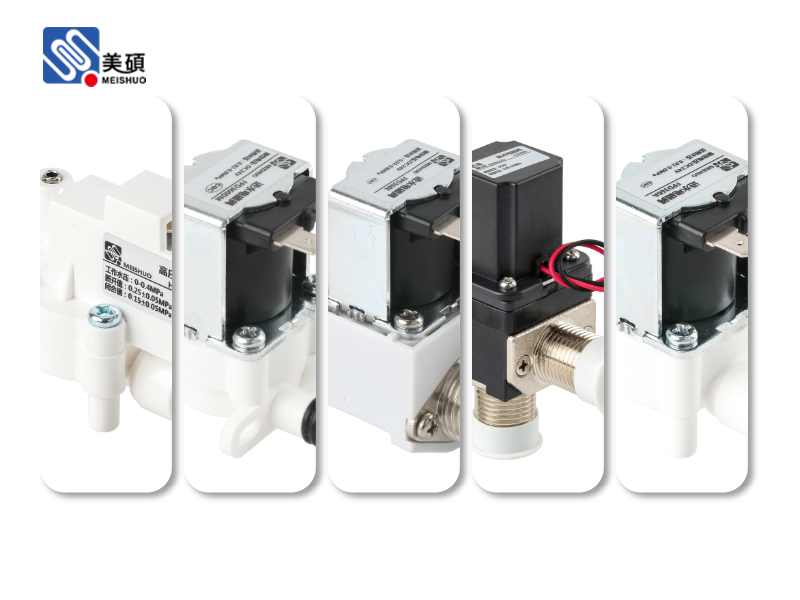
At their core, AC solenoid valves consist of three main components: a coil, a plunger, and a valve body. When an AC voltage is applied to the coil, it creates a magnetic field that attracts the plunger, causing it to move and either open or close the valve. The alternating nature of the current means the magnetic field changes direction periodically, which helps prevent the plunger from sticking to the core—a common issue in DC solenoid valves.
One of the key advantages of AC solenoid valves is their rapid response time. The alternating current creates a stronger initial magnetic force, allowing the valve to open or close almost instantaneously. This quick action is particularly valuable in applications requiring precise timing, such as in irrigation systems, pneumatic tools, and medical equipment.
AC solenoid valves find applications across a wide range of industries. In the automotive sector, they control fuel injection, transmission fluid flow, and brake systems. In HVAC systems, they regulate the flow of refrigerants and air, ensuring efficient temperature control. Industrial manufacturing processes rely on these valves for controlling hydraulic and pneumatic systems, chemical processing, and water treatment.
The design of AC solenoid valves varies depending on their intended use. Direct-acting valves have a simple structure where the plunger directly opens or closes the valve orifice, making them suitable for low-pressure applications. Pilot-operated valves, on the other hand, use the pressure of the fluid itself to assist in opening the valve, allowing them to handle higher pressures and flow rates.
When selecting an AC solenoid valve, several factors must be considered. The type of fluid (liquid or gas), operating pressure, temperature range, and flow rate requirements all influence the choice of valve. Additionally, the voltage rating of the coil must match the available power supply to ensure proper operation and prevent damage.
Maintenance of AC solenoid valves is relatively straightforward but essential for ensuring long-term reliability. Regular inspection of the coil for signs of overheating, checking for leaks in the valve body, and cleaning or replacing worn seals can extend the lifespan of the valve. It's also important to ensure the valve is installed correctly, with proper alignment and adequate support to prevent mechanical stress.
Despite their many advantages, AC solenoid valves do have some limitations. The alternating current can cause vibration and noise, which may be a concern in sensitive environments. Additionally, the coil can generate heat during operation, which may require cooling in high-duty-cycle applications. However, these issues can often be mitigated through proper design and installation.
In recent years, advances in materials science and manufacturing technology have led to the development of more efficient and durable AC solenoid valves. New coil designs reduce energy consumption while maintaining strong magnetic force, and corrosion-resistant materials extend the lifespan of valves used in harsh environments. Smart solenoid valves with integrated sensors and control systems are also emerging, allowing for remote monitoring and adjustment.
As industries continue to demand more precise and efficient fluid control solutions, AC solenoid valves will remain a vital technology. Their combination of rapid response, reliable operation, and versatility makes them indispensable in countless applications. Whether controlling the flow of water in a sprinkler system or regulating the pressure in a hydraulic press, AC solenoid valves provide the precise control needed for modern systems to function effectively.
In conclusion, AC solenoid valves represent a cornerstone of modern fluid control technology. Their ability to provide rapid, reliable operation in diverse environments makes them essential across industries. As technology continues to advance, these valves will likely become even more efficient and intelligent, further expanding their applications and benefits. Understanding the principles, applications, and selection criteria for AC solenoid valves is essential for engineers, technicians, and anyone involved in fluid control systems.

 Chat Oline