


Reverse osmosis (RO) systems have become integral to modern water treatment, providing clean and purified water for residential, commercial, and industrial applications. At the heart of these systems lies a critical component that ensures efficient operation: the RO solenoid valve. This electromagnetic device plays a vital role in controlling water flow, pressure, and system performance, making it essential for anyone involved in water treatment to understand its functionality and importance.
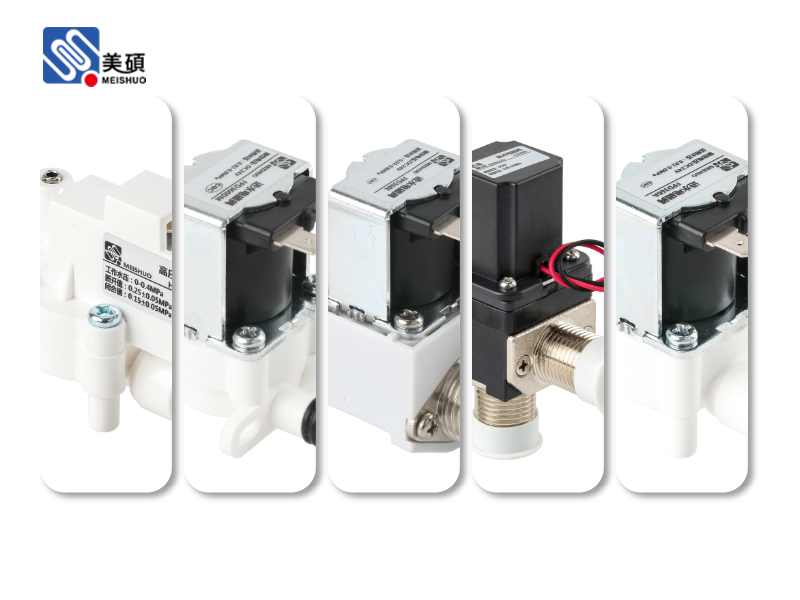
RO solenoid valves operate on a simple yet effective principle: an electric current passes through a coil, creating a magnetic field that pulls a plunger, opening or closing a valve seat. When the current is removed, a spring returns the plunger to its original position, reversing the valve's state. This mechanism allows for precise, rapid control of water flow, which is crucial in RO systems where timing and pressure management are key. Unlike manual valves, solenoid valves can be automated, integrating seamlessly with control systems to respond to sensor inputs or pre-programmed commands.
The primary function of an RO solenoid valve is to regulate the flow of water through different stages of the RO process. In a typical RO system, these valves control the feed water entering the system, the reject water (brine) exiting the membrane, and the permeate water (purified water) being stored. For example, a feed water solenoid valve opens when the system starts, allowing water to enter the pre-filtration stage, while a flush solenoid valve periodically opens to clean the RO membrane by increasing flow rate and reducing pressure, preventing scaling and extending membrane life.
Beyond basic flow control, RO solenoid valves also manage system pressure. A pressure-regulating solenoid valve can adjust the pressure of the feed water to optimize membrane performance, as RO membranes require specific pressure ranges to operate efficiently. Additionally, shut-off solenoid valves act as safety devices, closing automatically if system pressure exceeds safe levels or if a leak is detected, protecting the system from damage and preventing water waste.
The applications of RO solenoid valves extend across various sectors. In residential RO systems, they ensure consistent water quality by controlling the regeneration cycle of water softeners and the flushing of RO membranes. Commercial applications include restaurants, hotels, and office buildings, where these valves maintain water pressure for consistent performance and reduce operational costs through automated water management. In industrial settings, such as pharmaceutical manufacturing or semiconductor production, RO solenoid valves are critical for maintaining ultra-pure water standards, as even minor fluctuations in flow or pressure can compromise product quality.
Selecting the right RO solenoid valve requires consideration of several factors. Material compatibility is paramount, as the valve must resist corrosion from chemicals used in water treatment, such as chlorine or scale inhibitors. Common materials include brass, stainless steel, and food-grade plastics like PVC or PEEK. The valve's pressure and temperature ratings must also match the system's operating conditions, as excessive pressure or temperature can cause valve failure. Additionally, the valve's flow rate capacity should align with the system's water demand to avoid bottlenecks or inefficiencies.
Proper maintenance is essential to ensure the longevity and reliability of RO solenoid valves. Regular inspections should check for leaks, corrosion, or debris accumulation, which can impede valve operation. Cleaning the valve seat and plunger with mild detergents can remove contaminants, while lubricating moving parts with silicone-based lubricants (avoiding petroleum-based products that can degrade rubber seals) ensures smooth operation. It is also important to test the valve's response time and electrical connections to identify potential issues before they lead to system failure.
In conclusion, RO solenoid valves are the unsung heroes of reverse osmosis systems, enabling precise control over water flow, pressure, and system performance. Their ability to automate processes, enhance efficiency, and ensure safety makes them indispensable in modern water treatment. By understanding their functionality, selecting the appropriate valve for specific applications, and implementing regular maintenance practices, users can maximize the performance and lifespan of their RO systems, ensuring a consistent supply of clean, purified water for years to come.

 Chat Oline