


PVC solenoid valves have emerged as critical components in fluid control systems across various industries. These valves combine the durability of polyvinyl chloride (PVC) with the precision of solenoid technology, making them indispensable in applications where corrosion resistance, cost-effectiveness, and reliable performance are paramount.
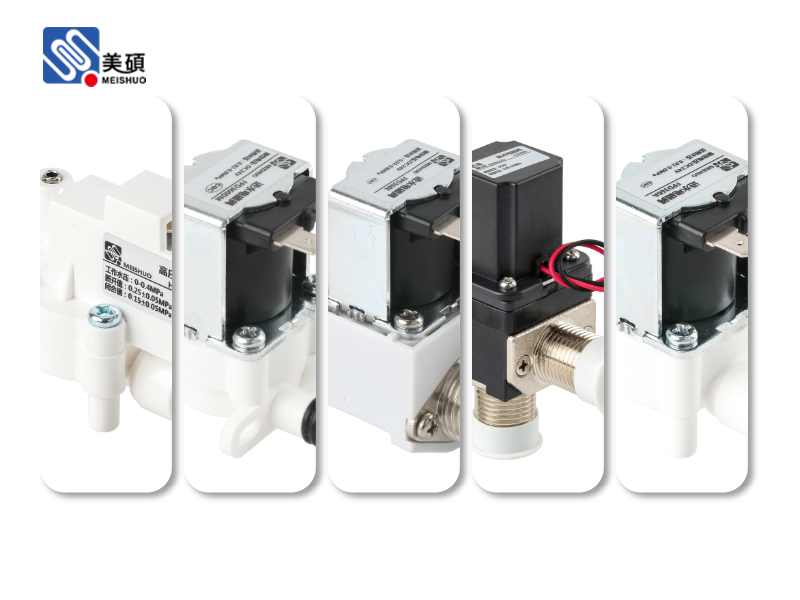
At its core, a PVC solenoid valve operates on a simple yet effective principle. The valve consists of a PVC body that houses the fluid passage, a solenoid coil that generates a magnetic field when energized, and a plunger mechanism that opens or closes the valve seat. When electrical current flows through the solenoid coil, it creates a magnetic force that lifts the plunger, allowing fluid to pass through the valve. When the current is interrupted, the plunger returns to its original position due to spring force, closing the valve and stopping the fluid flow.
The PVC construction of these valves offers distinct advantages over traditional metal valves. PVC is inherently resistant to corrosion from chemicals, acids, and alkalis, making these valves ideal for use in water treatment plants, chemical processing facilities, and agricultural irrigation systems. Unlike metal valves that can rust or degrade over time when exposed to harsh substances, PVC valves maintain their structural integrity, ensuring long-term reliability and reducing maintenance costs.
Another key benefit of PVC solenoid valves is their lightweight nature. The low density of PVC makes these valves easy to install and handle, particularly in large-scale systems where multiple valves are required. This characteristic also reduces transportation costs, as lighter components translate to lower shipping expenses.
In terms of applications, PVC solenoid valves are versatile enough to serve in both industrial and residential settings. In the agricultural sector, they are commonly used in automated irrigation systems, where they control the flow of water to crops based on preset schedules or sensor inputs. This automation not only saves water but also optimizes crop growth by ensuring precise water distribution.
Water treatment plants rely heavily on PVC solenoid valves to manage the flow of water and chemical additives. These valves play a crucial role in processes such as filtration, disinfection, and pH adjustment, where accurate fluid control is essential to meet water quality standards. The corrosion resistance of PVC ensures that the valves can handle the various chemicals used in water treatment without degradation.
Chemical processing industries also benefit from the use of PVC solenoid valves. These valves are used to control the flow of corrosive chemicals, solvents, and acids, where metal valves would quickly deteriorate. The ability of PVC to withstand a wide range of chemical concentrations makes these valves a safe and reliable choice in environments where worker safety and process efficiency are top priorities.
When selecting a PVC solenoid valve for a specific application, several factors must be considered. The valve's size, pressure rating, and flow capacity should match the requirements of the system. Additionally, the type of fluid being controlled—whether it is water, chemicals, or gases—will influence the choice of valve material and design. It is also important to consider the operating temperature range, as PVC has a lower heat resistance compared to some metals, typically ranging from -10°C to 60°C (14°F to 140°F).
Maintenance of PVC solenoid valves is relatively straightforward. Regular inspection of the valve body for signs of wear or damage, along with cleaning of the valve seat and plunger, ensures optimal performance. It is also essential to check the solenoid coil for electrical continuity and proper insulation to prevent malfunctions. By following these simple maintenance practices, users can extend the lifespan of their PVC solenoid valves and minimize downtime.
The future of PVC solenoid valves looks promising, with ongoing advancements in materials science and manufacturing technology. Engineers are developing new PVC formulations that offer enhanced heat resistance and mechanical strength, expanding the range of applications for these valves. Additionally, the integration of smart technology, such as IoT sensors and remote control capabilities, is transforming PVC solenoid valves into intelligent components that can monitor and adjust fluid flow in real-time, further improving system efficiency and reducing operational costs.
In conclusion, PVC solenoid valves represent a perfect synergy of material science and engineering innovation. Their corrosion resistance, lightweight design, and cost-effectiveness make them an ideal choice for fluid control in a wide range of industries. As technology continues to evolve, these valves will undoubtedly play an even more significant role in shaping the future of fluid management systems, ensuring that processes run smoothly, efficiently, and reliably for years to come.

 Chat Oline