


In the realm of fluid control systems, the compact solenoid valve has emerged as a transformative technology, offering unprecedented precision, efficiency, and space-saving capabilities. This innovative component has revolutionized various industries, from automotive manufacturing to medical device production, by providing reliable and compact solutions for fluid regulation.
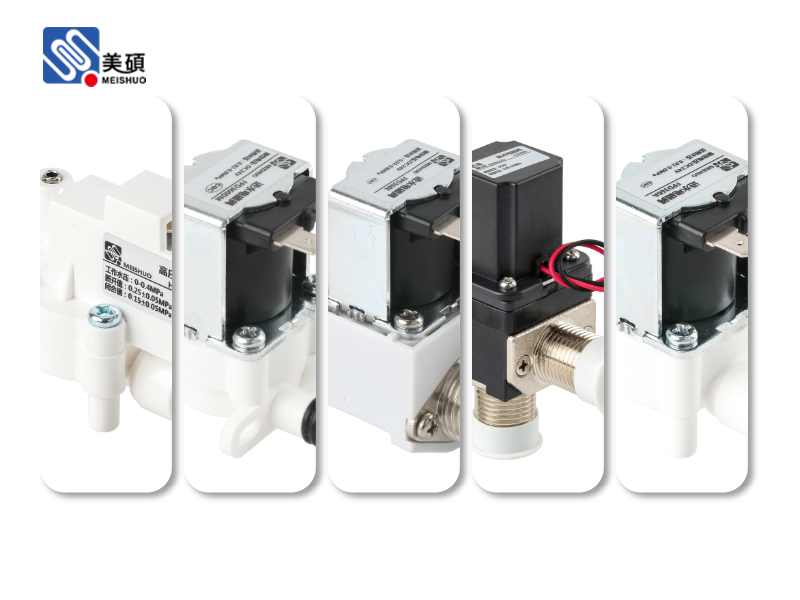
A compact solenoid valve operates on the principle of electromagnetism, using an electric current to actuate a mechanical valve mechanism. When an electric signal is applied, a magnetic field is generated, which pulls a plunger or armature, causing the valve to open or close. The compact design of these valves allows them to fit into tight spaces, making them ideal for applications where space is a premium. Unlike traditional solenoid valves, which often require significant installation space, compact models can be integrated into complex systems without compromising performance.
One of the key advantages of compact solenoid valves is their versatility. They can handle a wide range of fluids, including gases, liquids, and even corrosive substances, depending on the materials used in their construction. This adaptability makes them suitable for diverse applications, from controlling fuel flow in automotive engines to regulating air pressure in medical equipment. The compact size also enables multiple valves to be integrated into a single system, allowing for more complex fluid control configurations.
In the automotive industry, compact solenoid valves play a critical role in engine management systems. They control the flow of fuel, air, and exhaust gases, ensuring optimal performance and fuel efficiency. The compact design allows these valves to be placed in strategic locations within the engine compartment, reducing the overall size of the system while maintaining precise control. Similarly, in the medical field, compact solenoid valves are used in devices such as ventilators and infusion pumps, where space constraints and reliability are of utmost importance.
Another significant benefit of compact solenoid valves is their energy efficiency. The reduced size means less material is required for construction, leading to lower manufacturing costs and environmental impact. Additionally, the efficient electromagnetic design minimizes power consumption, making these valves an eco-friendly choice for sustainable engineering solutions. This efficiency is particularly valuable in battery-powered devices, where energy conservation is essential.
The development of compact solenoid valves has also led to advancements in automation technology. Their small size and quick response time make them ideal for use in automated production lines, where precise and rapid fluid control is necessary. In robotics, compact solenoid valves enable the precise movement of hydraulic or pneumatic actuators, enhancing the dexterity and performance of robotic systems.
Despite their small size, compact solenoid valves are engineered to withstand harsh operating conditions. High-quality materials, such as stainless steel and durable polymers, ensure resistance to corrosion, pressure, and temperature extremes. This durability makes them suitable for use in industrial environments, where reliability is critical for continuous operation.
In conclusion, the compact solenoid valve represents a significant advancement in fluid control technology. Its compact design, versatility, and efficiency have made it an indispensable component in modern engineering applications. As industries continue to demand smaller, more efficient systems, the compact solenoid valve will undoubtedly play an increasingly important role in shaping the future of fluid control. With ongoing innovations in materials and design, these valves are poised to deliver even greater performance and reliability, driving progress across a wide range of sectors.

 Chat Oline