


Swimming pool solenoid valves are essential components in modern pool systems, playing a critical role in controlling water flow and maintaining optimal pool operation. These electromechanical devices serve as the 'gatekeepers' of pool water distribution, regulating everything from filtration to chemical treatment processes. Understanding their function, maintenance requirements, and common issues is essential for any pool owner or professional seeking to keep their pool system running efficiently.
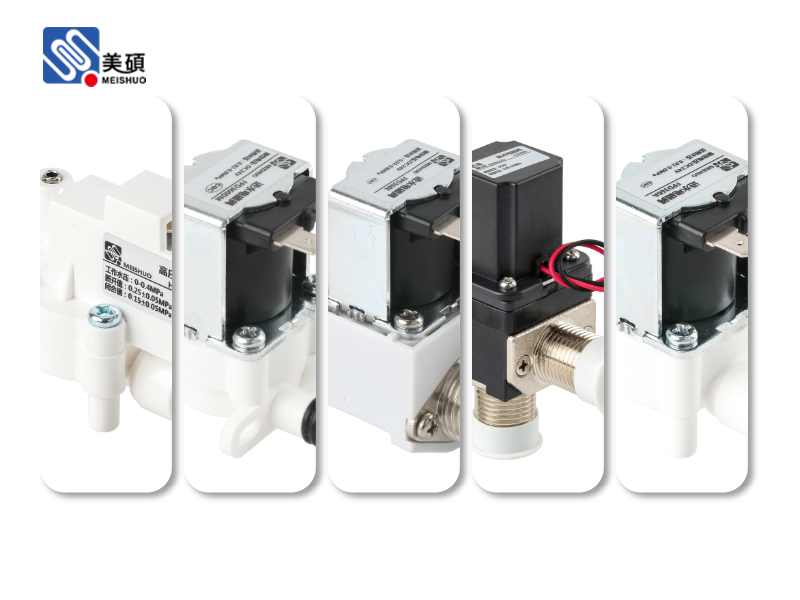
At its core, a swimming pool solenoid valve consists of two main parts: an electromagnetic coil and a valve body. When an electrical current flows through the coil, it creates a magnetic field that pulls a plunger, opening the valve and allowing water to pass through. When the current ceases, a spring mechanism returns the plunger to its original position, closing the valve. This simple yet effective design allows for precise control over water flow rates and direction, making it ideal for automated pool systems.
One of the primary applications of solenoid valves in swimming pools is in the filtration system. These valves direct water through the filter, backwash cycle, and rinse cycle as needed. By automating these processes, solenoid valves reduce the need for manual intervention and ensure consistent water quality. Additionally, they play a crucial role in chemical feed systems, controlling the flow of chlorine, pH adjusters, and other chemicals to maintain proper water balance.
Proper installation is key to ensuring the longevity and performance of swimming pool solenoid valves. They should be positioned in accessible locations to facilitate maintenance, with adequate space for valve operation and troubleshooting. It's also essential to match the valve size to the pipe diameter to prevent flow restrictions or pressure issues. Professional installation is recommended, as incorrect placement can lead to leaks, reduced efficiency, or premature failure.
Regular maintenance is critical for keeping solenoid valves in optimal condition. This includes periodic inspections for signs of wear, corrosion, or debris buildup. The valve body should be cleaned regularly to remove any sediment or mineral deposits that could impede proper operation. Lubricating moving parts with silicone-based lubricants can help reduce friction and extend the valve's lifespan. Additionally, checking electrical connections for corrosion or loose wires can prevent intermittent operation or complete failure.
Common issues with swimming pool solenoid valves include failure to open or close properly, leaks, and noisy operation. These problems can often be traced to debris in the valve seat, worn seals, or electrical issues. Troubleshooting typically involves checking the power supply, inspecting the valve for blockages, and testing the coil for continuity. In some cases, replacing worn components or the entire valve may be necessary to restore proper function.
When selecting a swimming pool solenoid valve, several factors should be considered, including flow rate requirements, pressure ratings, and compatibility with the pool's plumbing system. Valves designed specifically for pool applications often feature corrosion-resistant materials such as PVC or brass to withstand constant exposure to water and chemicals. Additionally, choosing a valve with appropriate certifications, such as NSF/ANSI standards, ensures compliance with industry regulations and safety requirements.
In conclusion, swimming pool solenoid valves are indispensable components in modern pool systems, providing precise control over water flow and distribution. Understanding their function, proper installation, and maintenance requirements is essential for ensuring efficient operation and extending the lifespan of pool equipment. By investing in quality valves, performing regular maintenance, and addressing issues promptly, pool owners can enjoy clean, safe water while minimizing operational costs and downtime. Whether you're a homeowner or a professional pool technician, knowledge of solenoid valve technology is a valuable asset in maintaining a healthy and functional swimming pool environment.

 Chat Oline