


In the complex world of industrial fluid management, Filtration System Solenoid Valve stands as a critical component that bridges the gap between precision control and operational efficiency. This article explores the multifaceted role of this technology, its working principles, applications, and the transformative impact it has on modern industrial processes.
At its core, a Filtration System Solenoid Valve is an electromechanical device that controls the flow of fluids through filtration systems using electrical signals. Unlike traditional mechanical valves, solenoid valves offer instantaneous response times, allowing for precise control over fluid flow rates and direction. This level of precision is particularly valuable in industries where even minor deviations from optimal conditions can lead to significant operational disruptions or product quality issues.
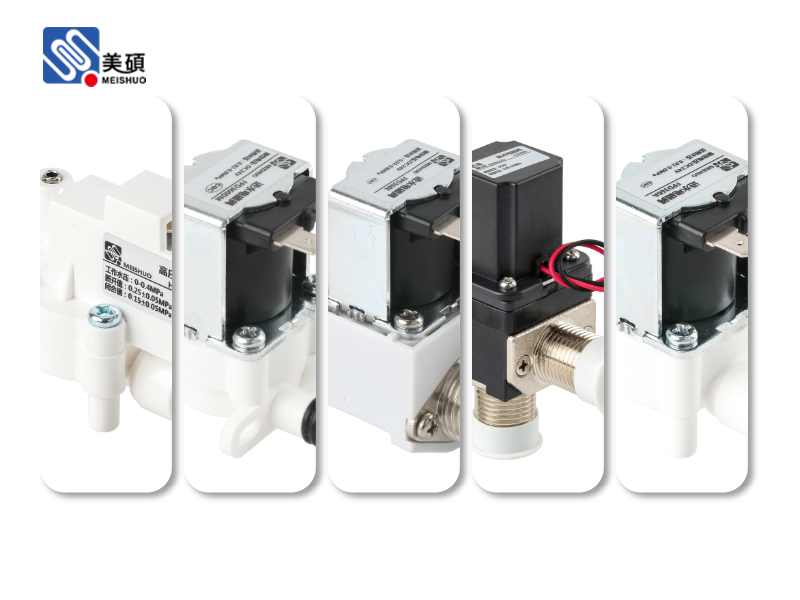
The working principle of a Filtration System Solenoid Valve revolves around the interaction between an electromagnetic coil and a valve mechanism. When an electrical current is applied to the coil, it generates a magnetic field that actuates the valve, either opening or closing it to allow or restrict fluid flow. Once the electrical signal is removed, the valve returns to its original position, typically by means of a spring mechanism. This simple yet effective design allows for rapid, automated control of fluid flow, making it ideal for applications requiring frequent adjustments.
One of the primary advantages of Filtration System Solenoid Valve is its ability to enhance the efficiency of filtration processes. In industrial settings, maintaining clean fluid systems is essential for preventing equipment damage, reducing maintenance costs, and ensuring product quality. Solenoid valves enable automated backwashing cycles in filtration systems, where the flow direction is reversed to remove accumulated contaminants from filter media. This process is critical for maintaining optimal filtration efficiency without manual intervention, thus reducing downtime and labor costs.
The versatility of Filtration System Solenoid Valve is evident in its wide range of applications across various industries. In the water treatment sector, these valves are used to control the flow of water through filtration systems, ensuring that only clean water is delivered to consumers or industrial processes. In the oil and gas industry, solenoid valves play a crucial role in managing the flow of crude oil and refined products through filtration systems, protecting sensitive equipment from damage caused by particulate matter.
Another key application area is the pharmaceutical industry, where Filtration System Solenoid Valve is used to maintain sterile conditions in fluid processing systems. The ability to control fluid flow with high precision and reliability is essential in pharmaceutical manufacturing, where contamination can have severe consequences for product safety and regulatory compliance. Solenoid valves enable automated control of filtration processes, reducing the risk of human error and ensuring consistent product quality.
The adoption of Filtration System Solenoid Valve also contributes to sustainability efforts in industrial operations. By enabling precise control over fluid flow, these valves help reduce water and energy consumption, leading to lower operational costs and a smaller environmental footprint. Additionally, the automated backwashing capabilities of solenoid valves extend the lifespan of filter media, reducing waste generation and promoting circular economy principles.
Despite their numerous advantages, Filtration System Solenoid Valve also presents certain challenges that must be addressed to ensure optimal performance. One such challenge is the selection of appropriate valve materials to withstand the corrosive nature of certain fluids. In industries such as chemical processing, valves must be constructed from materials that can resist degradation caused by aggressive chemicals, ensuring long-term reliability.
Another challenge is the integration of Filtration System Solenoid Valve with existing control systems. To fully leverage the capabilities of these valves, they must be seamlessly integrated into broader industrial automation systems, allowing for centralized monitoring and control. This requires careful planning and implementation to ensure compatibility with existing infrastructure and to maximize the benefits of automation.
Looking ahead, the future of Filtration System Solenoid Valve is marked by continuous innovation and technological advancement. The integration of smart technologies, such as IoT connectivity and predictive analytics, is transforming these valves into intelligent devices capable of self-monitoring and adaptive control. These advancements are expected to further enhance the efficiency, reliability, and sustainability of industrial fluid management systems.
In conclusion, Filtration System Solenoid Valve is a cornerstone technology in modern industrial fluid management. Its ability to provide precise, automated control over fluid flow has revolutionized filtration processes across various industries, from water treatment to pharmaceutical manufacturing. As industries continue to prioritize efficiency, sustainability, and reliability, the importance of Filtration System Solenoid Valve is only set to grow, driving further innovation and adoption in the years to come.

 Chat Oline