


In the world of industrial automation and fluid control, the low voltage solenoid valve stands as a quiet yet indispensable component, powering countless applications with efficiency and reliability. Operating on voltages typically ranging from 6V to 48V DC, these compact devices have revolutionized how we manage fluid flow in various industries, from automotive systems to medical equipment and beyond.
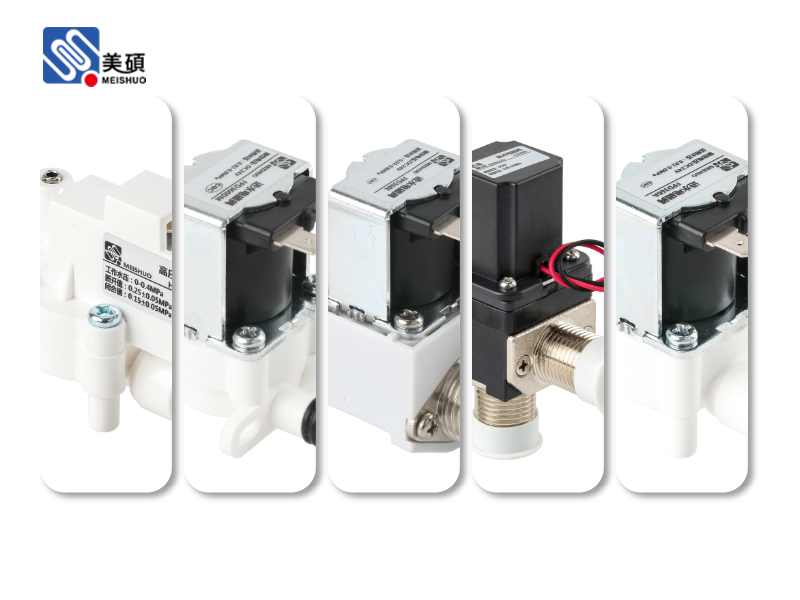
The core principle behind a low voltage solenoid valve is elegantly simple: when an electric current flows through a coil, it generates a magnetic field that moves a plunger or armature, which in turn opens or closes the valve mechanism. What sets low voltage models apart is their ability to deliver this performance using minimal electrical power, making them ideal for battery-powered applications or installations where energy conservation is a priority.
One of the most significant advantages of low voltage solenoid valves is their exceptional energy efficiency. Unlike their higher voltage counterparts, these valves consume significantly less power during operation, translating into reduced energy costs and a smaller carbon footprint. This efficiency is particularly valuable in remote or off-grid applications where power supply is limited, such as in agricultural irrigation systems or portable medical devices.
Another key benefit lies in their enhanced safety profile. Lower operating voltages reduce the risk of electrical shock, making them safer for use in environments where human interaction is frequent or where water and electricity may come into close proximity. This safety feature has made low voltage solenoid valves the preferred choice in food and beverage processing, pharmaceutical manufacturing, and water treatment facilities.
The compact size and lightweight design of these valves allow for flexible installation in space-constrained environments. Their versatility extends to compatibility with various fluids, including water, oil, gas, and even corrosive chemicals, depending on the materials used in construction. This adaptability has expanded their application range across diverse industries, from automotive fuel injection systems to HVAC controls and vending machines.
In the automotive sector, low voltage solenoid valves play a critical role in engine management systems, transmission control, and emission reduction technologies. Their quick response time—often measured in milliseconds—ensures precise control over fuel flow and exhaust gas recirculation, contributing to improved engine performance and reduced emissions.
The medical industry has also embraced low voltage solenoid valves for their precision and reliability. In diagnostic equipment, drug delivery systems, and laboratory automation, these valves provide accurate control over fluid flow rates, ensuring consistent results and patient safety. Their quiet operation is an added advantage in clinical settings where noise reduction is essential for patient comfort.
As technology continues to advance, the future of low voltage solenoid valves looks promising. Innovations in materials science have led to the development of valves with extended lifespans and improved resistance to wear and tear. Smart valve technology, integrating sensors and connectivity features, is also on the horizon, enabling real-time monitoring and predictive maintenance capabilities.
Despite their many advantages, selecting the right low voltage solenoid valve requires careful consideration of several factors. The specific fluid type, pressure rating, temperature range, and required flow rate must all be evaluated to ensure optimal performance. Additionally, compatibility with the existing electrical system and control logic is crucial for seamless integration.
In conclusion, the low voltage solenoid valve represents a perfect marriage of efficiency, safety, and versatility in fluid control technology. Its ability to deliver precise performance while minimizing energy consumption has made it an essential component in the modern industrial landscape. As industries continue to prioritize sustainability and operational excellence, the demand for these compact powerhouses is only expected to grow, cementing their position as a cornerstone of future automation solutions.

 Chat Oline