


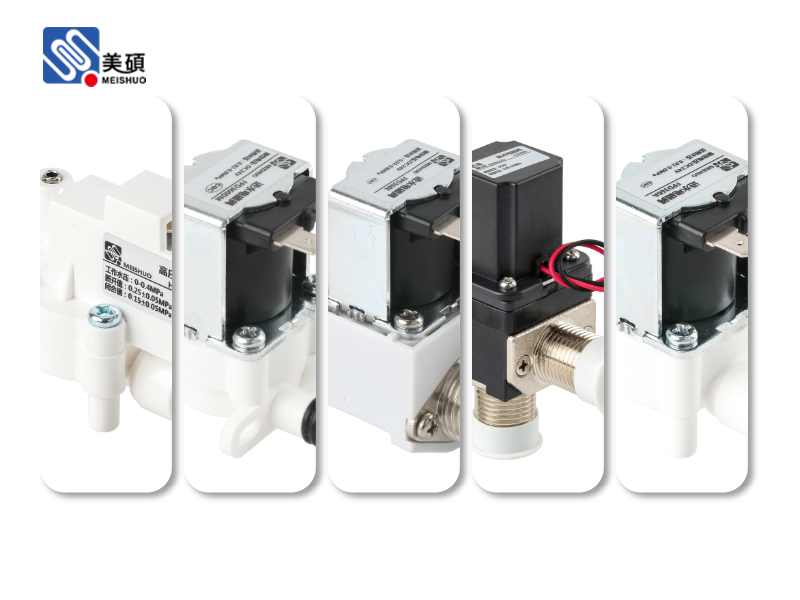
PVC solenoid valves are integral components in various fluid control systems across industries, offering efficient and reliable management of liquid and gas flow. These valves combine the durability of polyvinyl chloride (PVC) with the precision of solenoid technology, making them suitable for a wide range of applications.
PVC, known for its chemical resistance and corrosion-proof properties, provides an ideal material for valve bodies in environments where traditional metal valves might degrade. This material choice ensures longevity and reduces maintenance costs, particularly in systems handling corrosive substances. The solenoid mechanism, which uses electromagnetic force to actuate the valve, allows for rapid response times and precise flow control.
One of the key advantages of PVC solenoid valves is their versatility. They are commonly used in water treatment facilities, irrigation systems, chemical processing plants, and even in some medical equipment. In water treatment, these valves regulate the flow of chemicals and treated water, ensuring optimal purification processes. Their ability to withstand harsh chemical environments makes them indispensable in industries where aggressive substances are handled.
The working principle of a PVC solenoid valve involves an electromagnetic coil that, when energized, creates a magnetic field. This field lifts a plunger or diaphragm, opening the valve to allow fluid passage. When the coil is de-energized, a spring mechanism returns the plunger to its original position, closing the valve. This on-off operation can be controlled remotely, enabling automated fluid management in complex systems.
When selecting a PVC solenoid valve, several factors should be considered. The valve's size, pressure rating, and temperature tolerance must align with the specific application requirements. Additionally, the type of fluid (liquid or gas) and its chemical composition will determine the appropriate valve material and design. Proper installation and regular maintenance are also crucial to ensure optimal performance and prevent leaks.
In recent years, advancements in solenoid technology have led to more energy-efficient and environmentally friendly PVC valves. Manufacturers are developing models with lower power consumption and reduced environmental impact, addressing the growing demand for sustainable fluid control solutions. These innovations enhance the valve's performance while minimizing operational costs.
Despite their many benefits, PVC solenoid valves have limitations. They may not be suitable for high-temperature applications, as PVC can soften or deform under extreme heat. Additionally, certain aggressive chemicals might still pose a risk to the valve material, requiring careful selection based on compatibility charts.
In conclusion, PVC solenoid valves play a vital role in modern fluid control systems, offering a balance of durability, precision, and cost-effectiveness. As industries continue to evolve, these valves will remain essential components, adapting to new technological advancements and application requirements. Their versatility and reliability make them a preferred choice for engineers and system designers seeking efficient fluid management solutions.

 Chat Oline