


Flow control solenoid valves are critical components in modern fluid handling systems, combining the precision of solenoid actuation with the versatility of flow regulation. These devices play a vital role in industries ranging from manufacturing and automotive to medical equipment and HVAC systems, where accurate control of fluid flow rates is essential for operational efficiency and safety.
At their core, flow control solenoid valves operate on the principle of electromagnetic actuation. When an electrical current passes through the solenoid coil, it generates a magnetic field that moves a plunger or armature, which in turn adjusts the valve's internal orifice. This mechanism allows for rapid, precise adjustments to flow rates, making these valves ideal for applications requiring quick response times. Unlike traditional mechanical valves, solenoid valves can be easily integrated into automated systems, enabling remote operation and programmability.
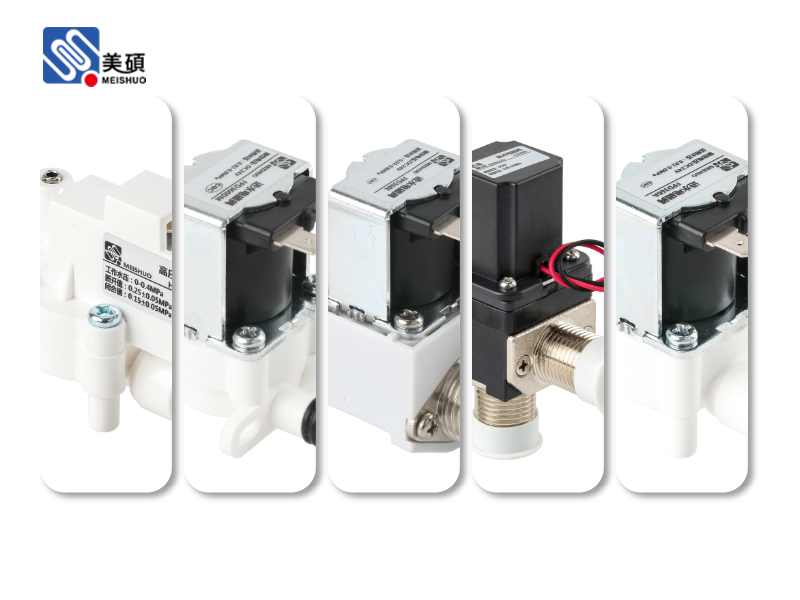
The construction of a flow control solenoid valve typically includes several key components: a solenoid coil, a valve body, a plunger or spool, and flow control elements such as needles, cones, or discs. The valve body is designed to direct fluid flow, while the solenoid coil provides the actuation force. The flow control element, often a needle or cone, is precisely machined to create a variable orifice that adjusts flow rates as the plunger moves. This design allows for both proportional control, where flow rate changes linearly with coil current, and on/off control for simple flow shut-off.
One of the primary advantages of flow control solenoid valves is their versatility across different fluid types. They can handle liquids, gases, and even some slurries, depending on material selection. For corrosive fluids, valves constructed from stainless steel or specialized polymers are available, while high-temperature applications may require valves with heat-resistant seals and components. This adaptability makes them suitable for diverse industries, from chemical processing plants handling aggressive substances to food and beverage production where hygiene is paramount.
In industrial automation, flow control solenoid valves are indispensable for processes requiring precise flow management. For example, in hydraulic systems, they regulate the flow of oil to control the speed of actuators and machinery. In pneumatic systems, they adjust air flow to control the movement of robotic arms and assembly line equipment. The ability to integrate these valves with PLCs (Programmable Logic Controllers) and other control systems enables complex automation sequences, improving production efficiency and consistency.
Medical applications represent another important area for flow control solenoid valves. In respiratory equipment, they regulate the flow of oxygen and other gases to patients, ensuring precise delivery rates. Dialysis machines use these valves to control the flow of blood and dialysis fluids, where accuracy is critical for patient safety. The compact size and reliability of solenoid valves make them ideal for portable medical devices, where space and weight are limited.
When selecting a flow control solenoid valve, several factors must be considered. Flow rate requirements, operating pressure and temperature, fluid compatibility, and response time are all critical parameters. The valve's flow coefficient (Cv), which measures its capacity to flow fluid, is an essential specification to match with system requirements. Additionally, the type of actuation—direct-acting, pilot-operated, or servo-assisted—will influence performance in different applications. Direct-acting valves are suitable for low-flow, low-pressure applications, while pilot-operated valves handle higher flows and pressures more efficiently.
Maintenance and reliability are also key considerations. Solenoid valves with minimal moving parts generally require less maintenance, but regular inspection of seals and coils is necessary to prevent leaks and ensure optimal performance. Advances in materials science have led to the development of self-cleaning valves and those with extended service lives, reducing downtime and operational costs.
Looking ahead, the evolution of flow control solenoid valves continues with the integration of smart technologies. IoT-enabled valves with built-in sensors can monitor flow rates, pressure, and temperature in real-time, transmitting data to control systems for predictive maintenance and performance optimization. These smart valves are paving the way for more efficient, interconnected fluid handling systems in the era of Industry 4.0.
In conclusion, flow control solenoid valves are versatile, precise components that have revolutionized fluid management across industries. Their ability to combine electromagnetic actuation with precise flow regulation makes them essential for applications requiring accuracy, speed, and automation. As technology advances, these valves will continue to evolve, incorporating smart features and improved materials to meet the changing demands of modern engineering and manufacturing.

 Chat Oline