


Solenoid valves are critical components in modern building water supply systems, playing a vital role in controlling the flow of water efficiently and reliably. These electromechanical devices convert electrical energy into mechanical motion to open or close fluid passages, making them indispensable for automated water management in residential, commercial, and industrial buildings.
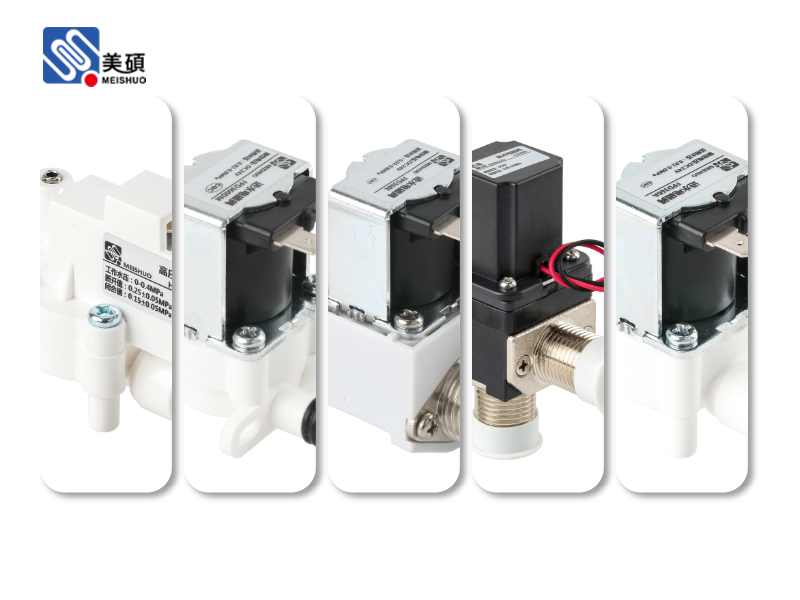
Building water supply solenoid valves are designed to handle the specific demands of indoor plumbing systems, including varying pressure levels, water quality considerations, and operational requirements. They typically consist of a valve body, solenoid coil, plunger, and sealing mechanism. When an electrical current is applied to the coil, it creates a magnetic field that lifts the plunger, allowing water to flow through the valve. When the current is removed, the plunger returns to its original position, sealing the valve and stopping the flow.
One of the key advantages of solenoid valves in building water supply systems is their rapid response time. Unlike manual valves that require physical operation, solenoid valves can open or close in milliseconds, making them ideal for applications requiring precise flow control. This responsiveness is particularly valuable in fire protection systems, where immediate water release is critical in emergency situations.
Another important consideration is the valve's compatibility with different water types and pressure ranges. Building water supply systems may encounter varying pressure conditions, from low-pressure residential systems to high-pressure commercial installations. Solenoid valves are available in a range of pressure ratings, ensuring they can operate effectively under different conditions without compromising performance or durability.
Material selection is also crucial for solenoid valves in building water supply applications. The valve body and internal components must be resistant to corrosion and wear to maintain long-term reliability. Common materials include brass, stainless steel, and engineering plastics, each offering specific advantages depending on the application requirements. For example, brass valves are often preferred for their excellent corrosion resistance and durability, while plastic valves offer cost-effectiveness and lightweight properties.
Installation and maintenance are important aspects of ensuring optimal performance of building water supply solenoid valves. Proper installation requires careful consideration of the valve's orientation, connection methods, and electrical requirements. It is essential to follow manufacturer guidelines to avoid issues such as leaks, improper operation, or premature failure.
Regular maintenance is equally important to extend the lifespan of solenoid valves. This includes periodic inspection of the valve body for leaks, checking the solenoid coil for proper electrical connections, and cleaning or replacing internal components as needed. In hard water areas, mineral deposits can accumulate over time, affecting the valve's performance and potentially causing blockages. Implementing a routine maintenance schedule helps identify potential issues early and ensures the valve continues to operate efficiently.
In addition to their primary function of controlling water flow, solenoid valves in building water supply systems contribute to water conservation efforts. By enabling precise control over water distribution, these valves help reduce waste and optimize usage. For example, in irrigation systems, solenoid valves can be programmed to operate only when needed, minimizing water consumption while maintaining landscape health.
The integration of solenoid valves with smart building technologies has further enhanced their capabilities. Modern building management systems can monitor and control solenoid valves remotely, allowing for real-time adjustments based on usage patterns, environmental conditions, and user preferences. This level of automation not only improves operational efficiency but also provides valuable data for optimizing water management strategies.
Despite their numerous advantages, solenoid valves in building water supply systems may encounter challenges such as electrical failures, mechanical wear, or contamination. Electrical issues can arise from power surges, voltage fluctuations, or faulty wiring, while mechanical problems may result from prolonged use or improper maintenance. Contamination from sediment or debris in the water supply can also affect valve performance, emphasizing the importance of proper filtration and regular cleaning.
In conclusion, building water supply solenoid valves are essential components that enable efficient and reliable water management in modern structures. Their rapid response, versatility, and compatibility with various applications make them indispensable for automated plumbing systems. By understanding their design principles, installation requirements, and maintenance needs, building owners and facility managers can ensure optimal performance and longevity of these critical devices. As water conservation and smart building technologies continue to evolve, solenoid valves will remain at the forefront of innovative water management solutions, contributing to sustainable and efficient building operations.

 Chat Oline