


AC solenoid valves are essential components in numerous industrial and commercial systems, playing a critical role in controlling fluid flow through electromagnetic actuation. These devices convert electrical energy into mechanical motion, enabling precise and reliable control over liquids, gases, and other media in diverse applications.
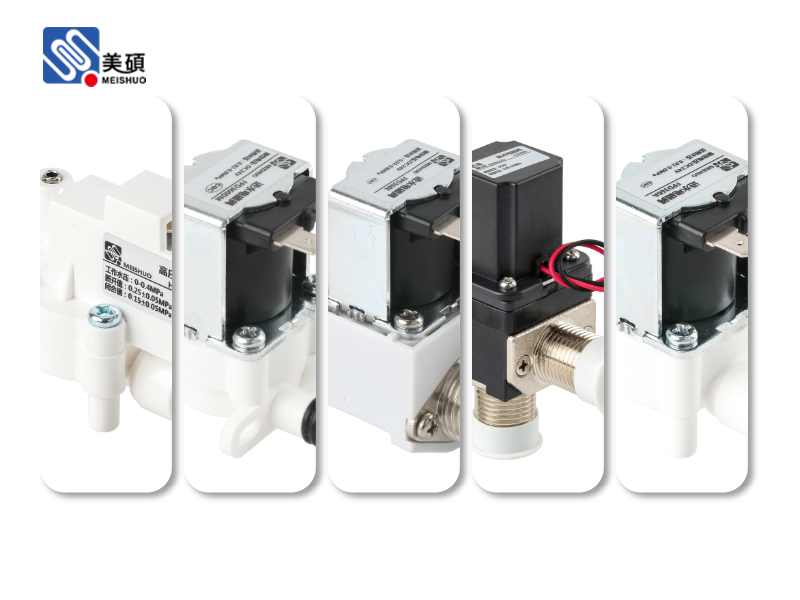
At its core, an AC solenoid valve consists of three main components: a coil, a core, and a valve body. When alternating current flows through the coil, it generates a magnetic field that attracts the core, causing it to move and open or close the valve. The AC power supply creates a constantly changing magnetic field, which ensures the core remains in motion rather than becoming magnetically saturated. This alternating field prevents the core from sticking in one position, making AC solenoid valves particularly suitable for applications requiring frequent on-off cycles.
The working principle of an AC solenoid valve involves the interaction between electrical and magnetic forces. When the coil receives AC voltage, it produces a rapidly changing magnetic flux that induces eddy currents in the core. These currents create opposing magnetic fields, resulting in the characteristic humming sound often associated with AC solenoid valves. Despite this audible phenomenon, AC valves offer several advantages over their DC counterparts, including higher starting force, faster response times, and simpler power supply requirements.
AC solenoid valves find extensive use across various industries. In the HVAC sector, they regulate refrigerant flow in air conditioning and heating systems, ensuring optimal temperature control. In industrial automation, they manage pneumatic and hydraulic systems, controlling the movement of machinery and equipment. Water treatment plants utilize these valves for precise chemical dosing and flow control, while the automotive industry employs them in fuel injection systems and transmission control units.
When selecting an AC solenoid valve, several key factors must be considered. The operating voltage and frequency must match the available power supply to ensure proper functioning. Fluid compatibility is another critical consideration, as the valve materials must resist corrosion and chemical degradation from the media being controlled. Temperature range, pressure ratings, and flow capacity are also essential parameters that must align with specific application requirements.
Maintenance and troubleshooting of AC solenoid valves require careful attention. Common issues include coil burnout due to overheating, valve sticking caused by debris accumulation, and leakage resulting from worn seals. Regular inspection and cleaning can prevent these problems, while proper installation and voltage regulation extend the valve's lifespan. Understanding the specific symptoms of valve malfunctions, such as inconsistent operation or unusual noises, allows for timely repairs and replacements.
Recent advancements in AC solenoid valve technology have led to improved efficiency and reliability. Modern designs incorporate energy-efficient coils that reduce power consumption while maintaining performance. Some valves feature integrated surge protection to safeguard against voltage spikes, extending their operational life. Additionally, smart solenoid valves with built-in sensors and communication capabilities enable remote monitoring and control, enhancing system automation and predictive maintenance.
In conclusion, AC solenoid valves represent a versatile and indispensable technology in fluid control systems. Their ability to convert electrical energy into precise mechanical motion makes them ideal for a wide range of applications across industries. Understanding their operating principles, key components, and selection criteria ensures optimal performance and reliability. As technology continues to advance, AC solenoid valves will likely become even more efficient and integrated into increasingly complex automated systems, solidifying their position as essential components in modern engineering and manufacturing.

 Chat Oline