


In the intricate world of fluid dynamics and industrial automation, solenoid valves for liquid control quietly perform a vital role that often goes unnoticed. These compact yet powerful devices serve as the unsung heroes of countless applications, from beverage dispensing systems to chemical processing plants, ensuring precise and reliable liquid flow management.
A solenoid valve for liquid control operates on a simple yet ingenious principle: an electromagnetic coil generates a magnetic field when energized, which moves a plunger or armature to open or close a valve orifice. This electromechanical action allows for rapid, precise control of liquid flow with minimal energy consumption. Unlike manual valves that require physical manipulation, solenoid valves can be remotely controlled and integrated into automated systems, making them indispensable in modern industrial settings.
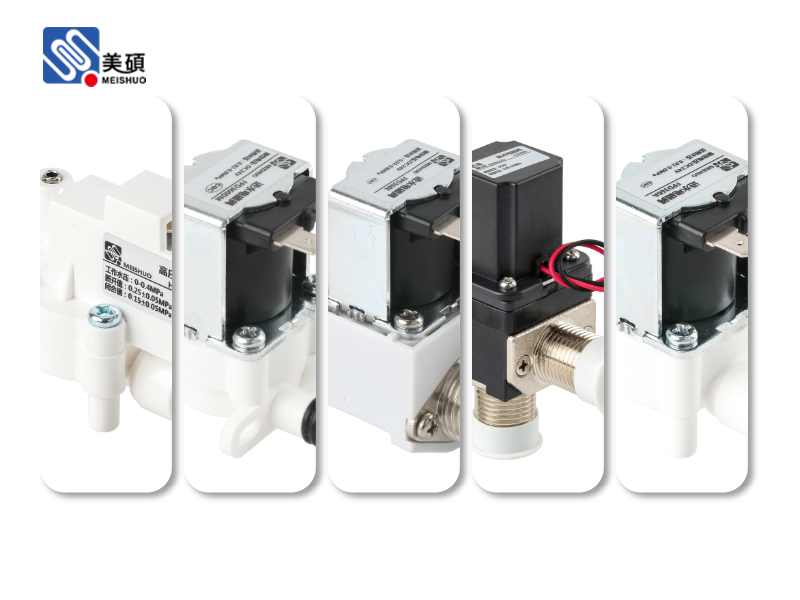
The design of a solenoid valve for liquid control varies depending on its intended application, but all share common core components. The valve body, typically constructed from durable materials like brass, stainless steel, or plastic, provides the housing for internal mechanisms and connects to the fluid system. The solenoid coil, often made of copper wire wound around a metal core, generates the magnetic force needed to actuate the valve. The internal sealing mechanism, which may include diaphragms, poppets, or pistons, ensures a tight seal when the valve is closed, preventing leaks and maintaining system integrity.
One of the key advantages of using a solenoid valve for liquid control is its rapid response time. These valves can open and close in milliseconds, allowing for precise timing and flow regulation in applications where timing is critical, such as in medical equipment or high-speed manufacturing processes. This quick response also enables solenoid valves to handle rapid cycling operations without experiencing excessive wear, extending their operational lifespan.
Another significant benefit is the versatility of solenoid valves for liquid control. They can be designed to handle a wide range of liquids, from water and oils to corrosive chemicals and viscous fluids. The choice of materials, such as PTFE seals for chemical resistance or EPDM for water applications, allows manufacturers to tailor valves to specific fluid compatibility requirements. Additionally, solenoid valves are available in various configurations, including 2-way, 3-way, and 4-way designs, each suited to different flow control needs.
In industrial settings, solenoid valves for liquid control contribute to enhanced efficiency and cost savings. By enabling precise flow regulation, these valves minimize waste and optimize resource utilization. For example, in irrigation systems, solenoid valves can be programmed to deliver exact amounts of water at specific times, reducing water consumption and lowering operational costs. In manufacturing processes, precise liquid control ensures consistent product quality and reduces material waste, directly impacting a company's bottom line.
The reliability of solenoid valves for liquid control is another factor that makes them indispensable in critical applications. These valves are designed to operate continuously for extended periods with minimal maintenance, reducing downtime and ensuring uninterrupted system performance. Their robust construction and simple design minimize the risk of mechanical failure, making them ideal for use in remote or hard-to-access locations where frequent maintenance is impractical.
As technology advances, solenoid valves for liquid control continue to evolve to meet the changing needs of modern industries. The integration of smart features, such as position feedback sensors and communication protocols like Modbus or Profibus, allows for real-time monitoring and remote diagnostics, enabling predictive maintenance and further enhancing system reliability. Additionally, the development of energy-efficient solenoid coils reduces power consumption, aligning with global sustainability initiatives and reducing operational costs.
In conclusion, solenoid valves for liquid control represent a perfect marriage of simplicity and sophistication in fluid management technology. Their ability to provide rapid, precise, and reliable liquid flow control makes them essential components in a wide range of applications, from everyday consumer products to complex industrial systems. As industries continue to embrace automation and seek more efficient fluid management solutions, the importance of solenoid valves for liquid control will only grow, solidifying their position as indispensable tools in the modern world of fluid dynamics and industrial automation.

 Chat Oline