


In the world of fluid control systems, innovation continues to drive efficiency, reliability, and sustainability. Among the many components that contribute to these advancements, the plastic solenoid valve has emerged as a versatile and cost-effective solution for a wide range of applications. This article explores the key features, benefits, and applications of plastic solenoid valves, highlighting their growing importance in modern industrial and commercial settings.
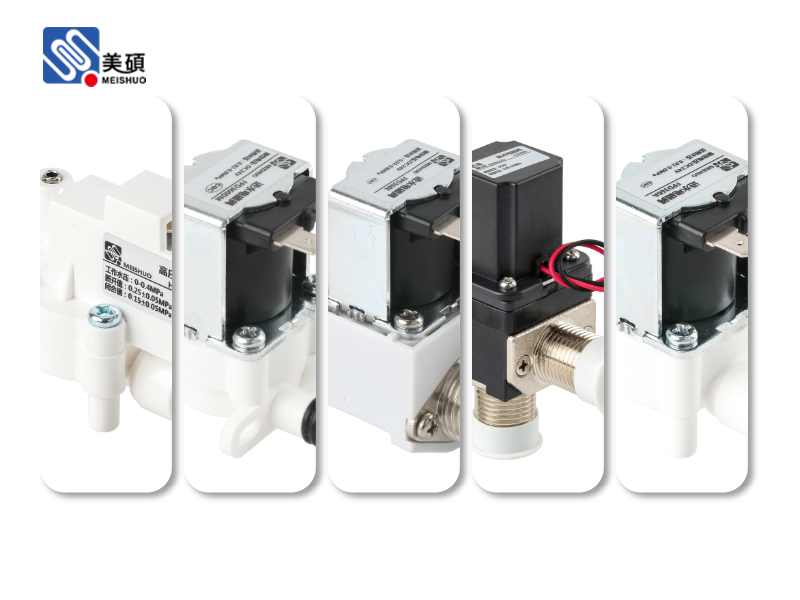
Plastic solenoid valves are electromechanical devices designed to control the flow of liquids or gases by opening or closing a valve using an electric current. Unlike their metal counterparts, these valves are constructed primarily from high-performance plastic materials such as PVC, PTFE, PP, or PVDF. This choice of material offers several distinct advantages over traditional metal valves. First and foremost, plastic valves are highly resistant to corrosion, making them ideal for handling aggressive chemicals, acids, and bases that would quickly degrade metal components. This corrosion resistance extends the lifespan of the valve and reduces maintenance costs, making them a cost-effective long-term investment.
Another significant advantage of plastic solenoid valves is their lightweight construction. Compared to metal valves, plastic valves are considerably lighter, which simplifies installation and reduces the overall weight of the system. This is particularly beneficial in applications where weight is a critical factor, such as in mobile equipment, aerospace, or portable devices. Additionally, the lightweight nature of plastic valves makes them easier to handle during maintenance and replacement, further enhancing operational efficiency.
Plastic solenoid valves also offer excellent chemical compatibility. Different plastic materials are engineered to resist specific chemicals, allowing manufacturers to select the most suitable material for a particular application. For example, PTFE valves are highly resistant to almost all chemicals, making them ideal for handling corrosive fluids in the chemical processing industry. PVC valves, on the other hand, are commonly used in water treatment and irrigation systems due to their affordability and resistance to water and mild chemicals. This versatility in material selection ensures that plastic solenoid valves can be tailored to meet the specific requirements of diverse industries.
In terms of performance, plastic solenoid valves are designed to deliver reliable and precise control over fluid flow. They feature a compact design that allows for easy integration into existing systems, and their fast response time ensures quick and accurate flow regulation. The solenoid coil, which is responsible for actuating the valve, is typically made from copper wire wound around a magnetic core. When an electric current is applied, the coil generates a magnetic field that moves a plunger, opening or closing the valve. This mechanism ensures that the valve operates with minimal lag, making it suitable for applications that require rapid flow adjustments.
The applications of plastic solenoid valves are vast and varied. In the water treatment industry, they are used to control the flow of water, chemicals, and wastewater, ensuring efficient and safe treatment processes. In the food and beverage industry, plastic valves are preferred for their non-toxic and food-grade properties, making them suitable for handling drinking water, juices, and other consumable liquids. They are also widely used in the pharmaceutical and medical sectors, where hygiene and chemical resistance are of utmost importance. Additionally, plastic solenoid valves find applications in irrigation systems, automotive fuel systems, and HVAC systems, among others.
Sustainability is another key factor driving the adoption of plastic solenoid valves. Plastic materials are generally more energy-efficient to produce than metals, reducing the carbon footprint of the manufacturing process. Furthermore, the long lifespan and low maintenance requirements of plastic valves contribute to reduced waste generation and resource consumption. Many plastic solenoid valves are also recyclable, further enhancing their environmental credentials. As industries increasingly prioritize sustainability, plastic valves are becoming an attractive choice for organizations looking to reduce their environmental impact.
Despite their numerous advantages, plastic solenoid valves do have some limitations. For instance, they may not be suitable for high-temperature applications, as some plastic materials can deform or degrade when exposed to extreme heat. Additionally, plastic valves may have lower pressure ratings compared to metal valves, limiting their use in high-pressure systems. However, ongoing advancements in plastic material technology are addressing these limitations, with new high-temperature and high-pressure plastic materials being developed to expand the range of applications for plastic solenoid valves.
In conclusion, plastic solenoid valves have revolutionized fluid control systems with their corrosion resistance, lightweight construction, chemical compatibility, and cost-effectiveness. Their versatility makes them suitable for a wide range of applications across various industries, from water treatment and food processing to pharmaceuticals and automotive. As technology continues to advance, plastic solenoid valves are likely to become even more sophisticated, offering enhanced performance and expanding their reach into new markets. For engineers, designers, and industry professionals, understanding the capabilities and benefits of plastic solenoid valves is essential for selecting the right fluid control solution for their specific needs. Whether you're looking to improve efficiency, reduce costs, or enhance sustainability, plastic solenoid valves are a reliable and innovative choice that delivers results.

 Chat Oline