


Water solenoid valves are essential components in modern plumbing and fluid control systems, playing a critical role in regulating water flow in various applications. These electromechanical devices use an electromagnetic coil to control the opening and closing of a valve, allowing for precise and automated water management.
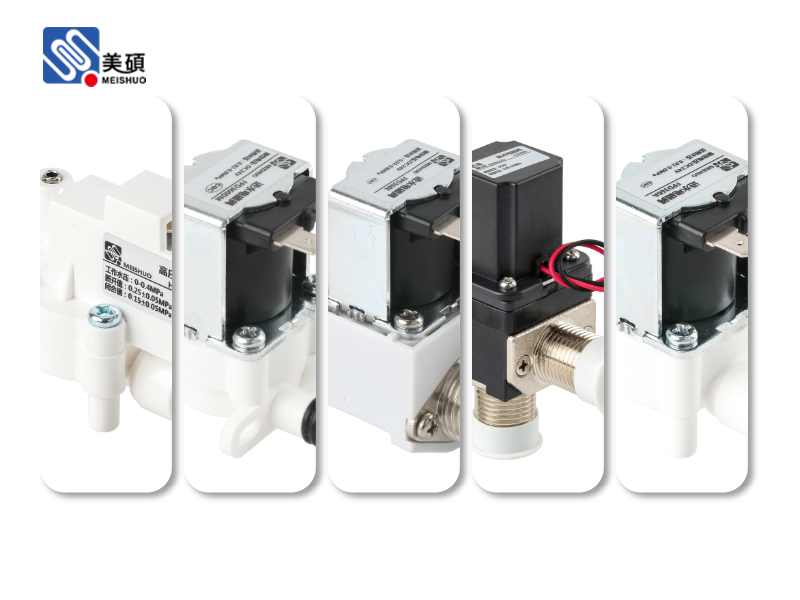
The basic structure of a water solenoid valve consists of a valve body, an electromagnetic coil, a plunger, and a sealing mechanism. When an electric current passes through the coil, it creates a magnetic field that pulls the plunger, lifting the seal and allowing water to flow through the valve. When the current is cut off, the magnetic field dissipates, and a spring returns the plunger to its original position, closing the valve and stopping the water flow.
One of the key advantages of water solenoid valves is their ability to provide rapid and precise control over water flow. They can be activated and deactivated in milliseconds, making them ideal for applications requiring quick response times. This feature is particularly valuable in automated systems where water flow needs to be adjusted dynamically based on changing conditions.
Water solenoid valves find applications in a wide range of industries and settings. In residential plumbing, they are used in automatic irrigation systems, washing machines, dishwashers, and water heaters to control water flow and prevent leaks. In commercial and industrial settings, they are employed in HVAC systems, water treatment plants, food and beverage processing facilities, and manufacturing processes where precise water control is essential.
When selecting a water solenoid valve, several factors need to be considered. The valve's material is crucial, as it must be compatible with the type of water being handled. Common materials include brass, stainless steel, and plastic, each offering different levels of corrosion resistance and durability. The valve's pressure rating is another important consideration, as it must be able to withstand the operating pressure of the system. Additionally, the valve's flow rate, voltage requirements, and connection type should be matched to the specific application's needs.
Proper installation and maintenance are essential for ensuring the long-term performance and reliability of water solenoid valves. During installation, it is important to ensure that the valve is correctly oriented and that all connections are properly sealed to prevent leaks. Regular maintenance involves inspecting the valve for signs of wear and tear, cleaning the valve body and components to remove debris, and checking the electrical connections for signs of corrosion or damage.
One of the common issues with water solenoid valves is clogging, which can occur when debris or sediment accumulates in the valve body. This can cause the valve to stick in the open or closed position, leading to water waste or system failure. To prevent clogging, it is recommended to install a filter upstream of the valve to remove any particles that could potentially block the valve.
Another potential problem is solenoid coil failure, which can be caused by electrical surges, overheating, or prolonged use. Regular inspection of the coil for signs of damage or overheating can help identify potential issues before they lead to complete failure. If the coil does fail, it can usually be replaced without having to replace the entire valve.
In conclusion, water solenoid valves are versatile and reliable components that play a vital role in modern fluid control systems. Their ability to provide precise and automated water flow control makes them indispensable in a wide range of applications, from residential plumbing to industrial processes. By understanding their function, selecting the right valve for the application, and following proper installation and maintenance procedures, users can ensure optimal performance and longevity of their water solenoid valves.

 Chat Oline