


In the world of modern irrigation, the unsung hero that ensures precision, efficiency, and reliability is the watering system solenoid valve. This compact yet powerful component plays a critical role in managing water distribution, making it an indispensable part of both residential and commercial irrigation setups. Understanding how these valves work, their key features, and how to maintain them can significantly enhance the performance of any watering system.
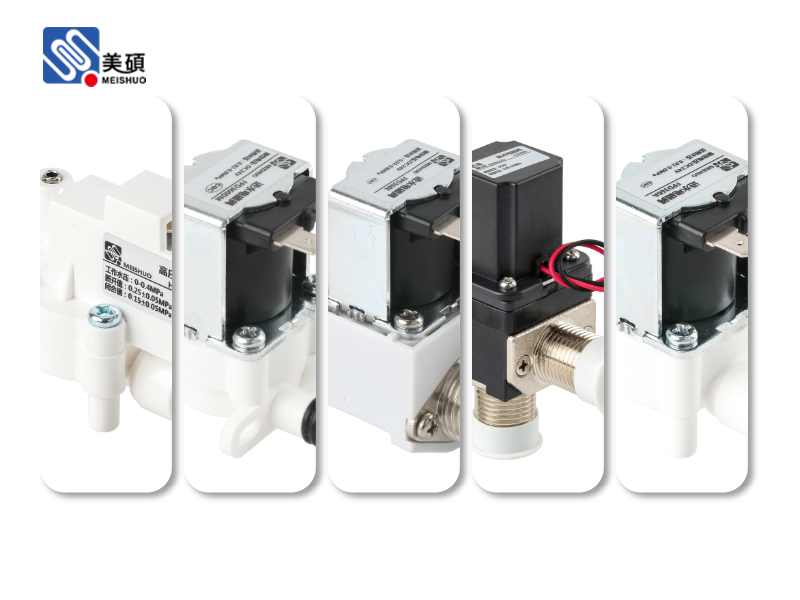
At its core, a solenoid valve is an electromechanical device that controls the flow of water through an irrigation system. It operates by using an electromagnetic coil to move a plunger or diaphragm, which opens or closes the valve's orifice. When an electrical current is applied to the coil, it creates a magnetic field that lifts the plunger, allowing water to flow through the valve. When the current is cut off, a spring mechanism returns the plunger to its original position, closing the valve and stopping the water flow. This simple yet effective mechanism allows for remote control of water flow, enabling automated irrigation schedules and precise water management.
One of the primary advantages of solenoid valves in watering systems is their ability to provide zone-specific control. Most modern irrigation systems are divided into multiple zones, each with its own solenoid valve. This zoning capability allows for customized watering schedules, ensuring that different areas of a landscape receive the appropriate amount of water based on their specific needs. For example, a flower bed with delicate plants might require more frequent but shorter watering cycles, while a lawn with deep-rooted grass could benefit from less frequent but longer watering sessions. By controlling each zone independently, solenoid valves help conserve water and prevent overwatering, which can lead to plant disease and water waste.
Another key feature of solenoid valves is their durability and reliability. High-quality valves are constructed from materials such as brass, stainless steel, or durable plastics that can withstand harsh outdoor conditions, including extreme temperatures, UV exposure, and chemical treatments. They are also designed to handle a wide range of water pressures, making them suitable for both low-pressure residential systems and high-pressure commercial applications. Additionally, many solenoid valves are equipped with built-in filters to prevent debris from entering the valve and causing blockages, further enhancing their longevity and performance.
When selecting a solenoid valve for a watering system, there are several factors to consider. The valve's size, measured by its pipe diameter, must match the system's plumbing to ensure proper water flow. The operating pressure range is also crucial, as valves are designed to work within specific pressure limits. Choosing a valve that can handle the system's maximum pressure will prevent leaks and ensure reliable operation. Additionally, the type of electrical connection, whether it's a direct wire connection or a plug-in connector, should be compatible with the system's controller. Some valves also offer additional features, such as manual override capabilities, which allow for manual operation of the valve in case of a power outage or controller malfunction.
Proper maintenance is essential to keep solenoid valves functioning optimally. Regular inspection can help identify potential issues before they become major problems. Common maintenance tasks include checking for leaks, cleaning the valve's filter, and ensuring that the electrical connections are secure and free from corrosion. If a valve becomes stuck or fails to open/close properly, it may be necessary to disassemble it and clean the internal components. In some cases, replacing worn-out parts, such as the diaphragm or spring, can restore the valve's functionality. It's also important to protect the valve from freezing temperatures, as water inside the valve can expand and cause damage. This can be achieved by draining the system during cold weather or using insulated valve boxes.
In recent years, technological advancements have further improved the capabilities of solenoid valves. Smart irrigation systems now integrate solenoid valves with wireless communication technologies, allowing for remote monitoring and control via smartphones or tablets. These smart valves can collect data on water usage, soil moisture levels, and weather conditions, enabling more efficient water management. Some systems even use artificial intelligence to adjust watering schedules based on real-time data, ensuring that water is used only when and where it's needed. These innovations not only enhance the efficiency of irrigation systems but also contribute to water conservation efforts, which are becoming increasingly important in regions facing water scarcity.
In conclusion, the watering system solenoid valve is a vital component that enables efficient, precise, and automated water management. Its ability to provide zone-specific control, durability, and compatibility with modern technology makes it an essential part of any irrigation setup. By understanding how these valves work, selecting the right valve for the system, and performing regular maintenance, users can ensure that their watering systems operate at peak performance, conserving water and promoting healthy plant growth. As water conservation becomes a global priority, the role of solenoid valves in sustainable irrigation practices will only continue to grow, making them a key investment for any landscape or agricultural operation.

 Chat Oline