


Hot water solenoid valves are essential components in modern plumbing and heating systems, providing precise control over the flow of hot water in various applications. These electromechanical devices combine the reliability of mechanical valves with the responsiveness of electrical controls, making them indispensable in both residential and commercial settings.
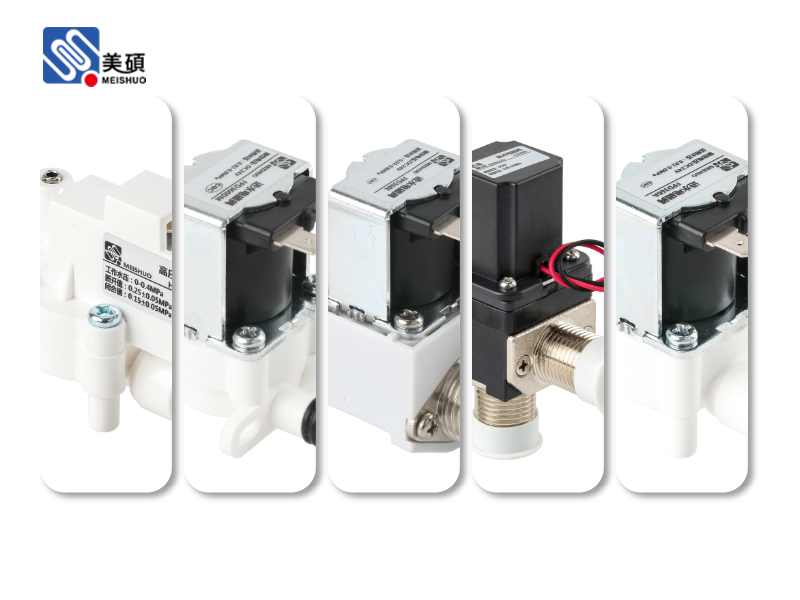
At its core, a hot water solenoid valve operates on a simple principle: an electric current passes through a coil, creating a magnetic field that lifts a plunger. This movement opens or closes the valve, allowing or stopping the flow of hot water. The key distinction from standard solenoid valves lies in their construction—they are specifically designed to withstand higher temperatures, typically ranging from 140°F to 212°F (60°C to 100°C) or even higher in industrial models. This heat resistance is achieved through the use of specialized materials like high-temperature seals, heat-resistant plastics, and stainless steel components.
The applications of hot water solenoid valves are diverse and far-reaching. In residential settings, they are commonly found in dishwashers, washing machines, and instant hot water dispensers, where they ensure precise water flow control during different cycles. Commercial applications include use in industrial boilers, food processing equipment, and HVAC systems, where maintaining consistent hot water flow is critical for operational efficiency and safety.
Selecting the right hot water solenoid valve requires careful consideration of several factors. Temperature rating is paramount—valves must be rated for the maximum water temperature they will encounter. Pressure rating is another critical factor, as valves must handle the specific pressure requirements of the system. Material compatibility is also essential, especially when dealing with hard water or chemicals that could cause corrosion or degradation over time.
Proper installation and maintenance are vital for ensuring the longevity and performance of hot water solenoid valves. Installation should follow manufacturer guidelines, with attention to correct orientation, appropriate wiring, and proper sealing to prevent leaks. Regular maintenance includes periodic inspection for signs of wear, cleaning of valve components, and testing of electrical connections. Common issues that may arise include valve sticking due to mineral deposits, seal degradation from prolonged heat exposure, and electrical failures in the coil.
Advancements in technology have led to the development of smart hot water solenoid valves, which can be integrated with home automation systems for remote control and monitoring. These intelligent valves allow users to adjust water flow, monitor temperature, and receive alerts for potential issues, enhancing both convenience and energy efficiency.
In conclusion, hot water solenoid valves play a crucial role in modern hot water systems, offering reliable, precise control that enhances efficiency, safety, and convenience. Understanding their function, selecting the appropriate model for specific applications, and implementing regular maintenance practices are essential for maximizing their performance and lifespan. As technology continues to evolve, these valves will likely become even more sophisticated, further improving their capabilities and expanding their range of applications in the years to come.

 Chat Oline