


Plastic water solenoid valves have emerged as a game-changer in fluid control systems, offering a cost-effective, lightweight, and corrosion-resistant alternative to traditional metal valves. These innovative components are transforming industries ranging from agriculture to healthcare, providing precise, reliable control over water flow in diverse applications.
The core advantage of plastic water solenoid valves lies in their material composition. Constructed from durable polymers like PVC, PEEK, and PTFE, these valves resist corrosion from chemicals and mineral deposits, ensuring long-term performance even in harsh environments. Unlike metal valves that can rust or degrade over time, plastic valves maintain their integrity, reducing maintenance costs and extending service life.
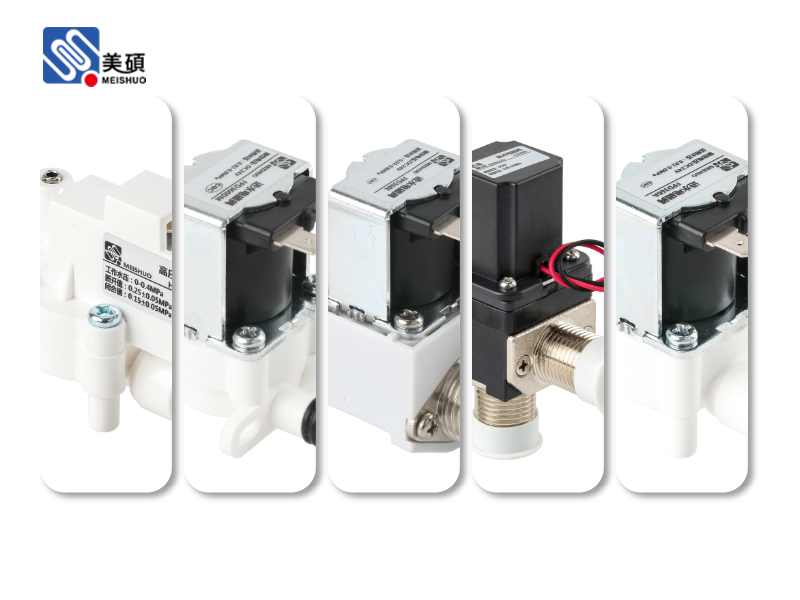
Design-wise, plastic water solenoid valves feature a compact structure that allows for easy integration into existing systems. Their lightweight nature simplifies installation and reduces the overall weight of equipment, making them ideal for mobile applications or systems with weight constraints. The absence of metal components also eliminates the risk of contamination, making these valves particularly suitable for applications requiring high purity, such as food and beverage processing or pharmaceutical manufacturing.
Functionally, plastic water solenoid valves operate on the principle of electromagnetism. When an electric current is applied, a coil generates a magnetic field that lifts a plunger, opening the valve and allowing water to flow. When the current is cut, the plunger returns to its original position, closing the valve. This on/off mechanism provides rapid response times, enabling precise control over water flow rates and pressure.
In agricultural applications, plastic water solenoid valves play a crucial role in irrigation systems. They allow farmers to automate watering schedules, ensuring crops receive the right amount of water at the right time. This not only optimizes water usage but also improves crop yields by maintaining consistent moisture levels. The corrosion resistance of plastic valves is particularly beneficial in agricultural settings, where water may contain fertilizers or other chemicals that could damage metal components.
In the healthcare industry, plastic water solenoid valves are used in medical devices such as dialysis machines and dental equipment. Their ability to maintain sterility and prevent contamination is critical in these applications, where patient safety is paramount. The lightweight design also makes them suitable for portable medical devices, enhancing mobility and convenience for both patients and healthcare providers.
Another key application area is water treatment systems. Plastic water solenoid valves are used to control the flow of water through filtration and purification processes, ensuring that only clean, safe water is delivered to consumers. Their durability and resistance to chemicals make them ideal for handling treated water, which may contain disinfectants or other additives.
Despite their many advantages, plastic water solenoid valves do have some limitations. They may not be suitable for high-pressure applications, as plastic materials can deform under extreme pressure. Additionally, they may have lower temperature resistance compared to metal valves, making them less suitable for applications involving hot water or steam. However, advances in polymer technology are continuously improving the performance of plastic valves, expanding their range of applications.
In conclusion, plastic water solenoid valves are revolutionizing fluid control with their unique combination of durability, lightweight design, and corrosion resistance. As industries continue to demand more efficient and reliable fluid control solutions, these valves are poised to play an increasingly important role. Whether in agriculture, healthcare, or water treatment, plastic water solenoid valves are proving to be a versatile and cost-effective choice for modern applications.

 Chat Oline