


PVC solenoid valves are versatile and essential components in a wide range of fluid control applications, combining the durability of PVC (polyvinyl chloride) with the precision of solenoid technology. These valves play a crucial role in industries such as water treatment, irrigation, chemical processing, and even household appliances, where reliable and efficient fluid management is paramount.
PVC, known for its corrosion resistance, lightweight properties, and cost-effectiveness, serves as an ideal material for valve bodies. Unlike metal valves, PVC solenoid valves are immune to rust and degradation from most chemicals, making them suitable for handling aggressive fluids like acids, alkalis, and saltwater. This resistance extends the lifespan of the valves, reducing maintenance costs and downtime for industrial operations.
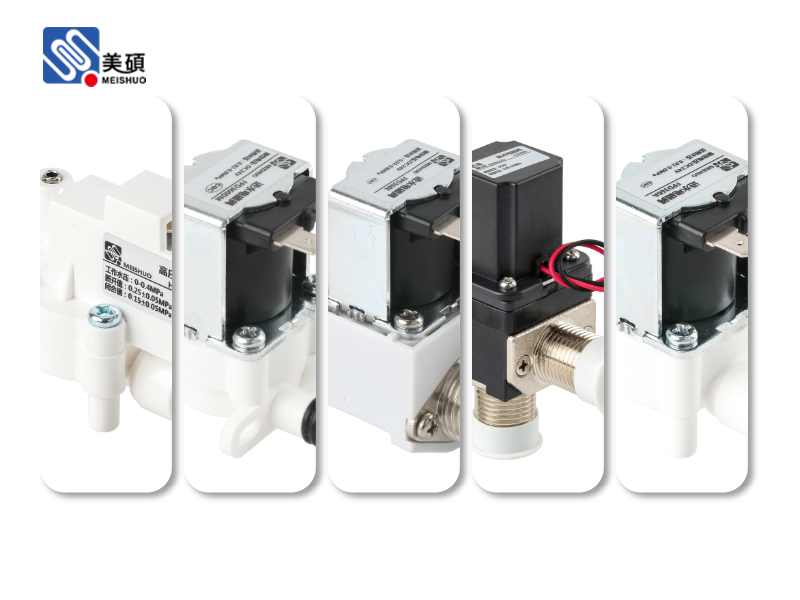
The solenoid mechanism within these valves operates on the principle of electromagnetism. When an electric current is applied to the solenoid coil, it generates a magnetic field that lifts the valve's plunger, allowing fluid to flow through the valve. When the current is cut off, a spring mechanism returns the plunger to its original position, closing the valve and stopping the flow. This on-off control is precise and responsive, enabling automated fluid management in various systems.
One of the key advantages of PVC solenoid valves is their versatility. They come in different configurations, including normally open (NO), normally closed (NC), and universal designs, allowing them to adapt to specific application requirements. Normally closed valves are commonly used in systems where fluid flow should be stopped when power is off, such as in emergency shut-off systems. Normally open valves, on the other hand, are ideal for applications where continuous flow is needed unless interrupted by a signal.
In water treatment plants, PVC solenoid valves are used to control the flow of chemicals and water in filtration and disinfection processes. Their corrosion resistance ensures that they can handle the harsh chemicals used in water purification without deteriorating. In irrigation systems, these valves are automated to open and close based on timers or sensor inputs, ensuring efficient water usage and preventing overwatering.
The food and beverage industry also benefits from PVC solenoid valves, as they are FDA-approved for contact with food-grade materials. Their smooth surfaces and easy cleaning make them suitable for applications where hygiene is critical, such as in dairy processing and beverage bottling lines.
Installation and maintenance of PVC solenoid valves are relatively straightforward. The lightweight nature of PVC makes handling and mounting easier compared to metal valves. Most models feature standard pipe connections, allowing for quick integration into existing systems. Regular maintenance involves checking for leaks, ensuring the solenoid coil is functioning properly, and cleaning the valve components to prevent clogs.
When selecting a PVC solenoid valve, several factors should be considered, including the type of fluid being handled, operating pressure and temperature, flow rate requirements, and voltage specifications. It is essential to choose a valve that can withstand the specific conditions of the application to ensure optimal performance and longevity.
In conclusion, PVC solenoid valves are indispensable components in modern fluid control systems, offering a combination of durability, precision, and versatility. Their corrosion resistance, cost-effectiveness, and ease of installation make them a preferred choice across various industries. As technology continues to advance, these valves will likely see further improvements, enhancing their performance and expanding their applications in the years to come.

 Chat Oline