


A normally open (NO) solenoid valve is a type of electromechanical device that allows fluid or gas to flow through its passage when not energized, closing only when an electric current is applied. This fundamental characteristic sets it apart from normally closed (NC) solenoid valves, which operate in the opposite manner. In this article, we will explore the working principle, key applications, and benefits of normally open solenoid valves, shedding light on their role in various industries.
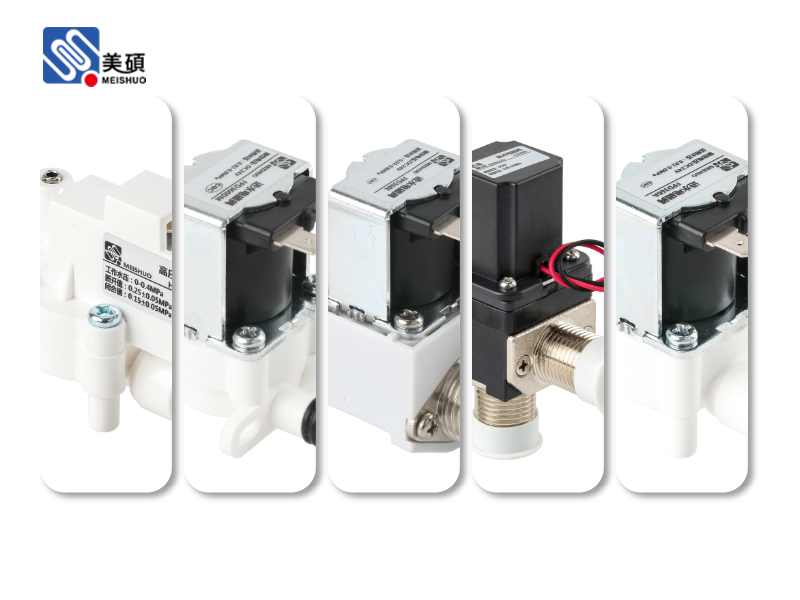
The basic structure of a normally open solenoid valve consists of a coil, a plunger, a spring, and a valve seat. When the coil is not energized, the spring keeps the plunger in a position that opens the valve, allowing fluid to pass through. When an electric current is applied to the coil, it generates a magnetic field that pulls the plunger towards the coil, compressing the spring and closing the valve. This mechanism ensures that the valve defaults to an open state, making it suitable for applications where continuous flow is the norm, with occasional shut-off required.
One of the primary applications of normally open solenoid valves is in safety systems. For example, in gas appliances, a normally open valve allows gas to flow when the appliance is in use, but closes automatically in case of a power outage or emergency, preventing gas leaks. Similarly, in fire suppression systems, normally open valves can be used to release fire-extinguishing agents when activated, ensuring rapid response to fires. The default open state also makes these valves ideal for applications where maintaining flow is critical, such as in irrigation systems where water needs to flow continuously unless a specific condition (like a timer or sensor) triggers a shut-off.
Another key application is in industrial processes, where normally open solenoid valves are used to control the flow of liquids or gases in pipelines. For instance, in chemical processing plants, these valves can be used to regulate the flow of raw materials, with the ability to shut off the flow quickly in case of a process deviation. In HVAC systems, normally open valves might control the flow of refrigerant or hot water, allowing for efficient temperature regulation. The reliability and quick response time of solenoid valves make them a preferred choice in these industries.
The advantages of normally open solenoid valves are numerous. First, their default open state provides a fail-safe mechanism in many applications. If power is lost, the valve remains open, ensuring that essential processes can continue or that safety measures are maintained. Second, they offer quick response times, as the electromagnetic coil can open or close the valve in milliseconds, making them suitable for applications requiring precise control. Third, they are relatively simple in design, which makes them easy to install, maintain, and replace. Additionally, they are compatible with a wide range of fluids and gases, including water, oil, air, and various chemicals, depending on the material of the valve components.
However, it is important to consider the limitations of normally open solenoid valves. For example, they require a continuous power supply to remain closed, which can be a concern in applications where power reliability is an issue. In such cases, backup power systems or alternative valve types may be necessary. Additionally, the choice between normally open and normally closed valves depends on the specific requirements of the application. For instance, if the primary concern is preventing flow in case of power failure, a normally closed valve might be more appropriate.
In conclusion, normally open solenoid valves play a crucial role in various industries, from safety systems to industrial processes. Their ability to remain open by default, combined with quick response times and reliability, makes them a versatile and essential component in many applications. By understanding their working principle, applications, and advantages, engineers and technicians can make informed decisions when selecting the right valve for their specific needs. Whether in ensuring safety, controlling industrial processes, or managing fluid flow, normally open solenoid valves continue to be a cornerstone of modern engineering solutions.

 Chat Oline