


Cold water solenoid valves are integral components in modern plumbing and industrial systems, playing a crucial role in controlling the flow of cold water with precision and efficiency. These electromechanical devices operate by using an electromagnetic coil to open or close a valve, allowing or blocking the flow of water based on electrical signals. Understanding their functionality, applications, and selection criteria is essential for anyone working with water systems, from residential plumbing to large-scale industrial operations.
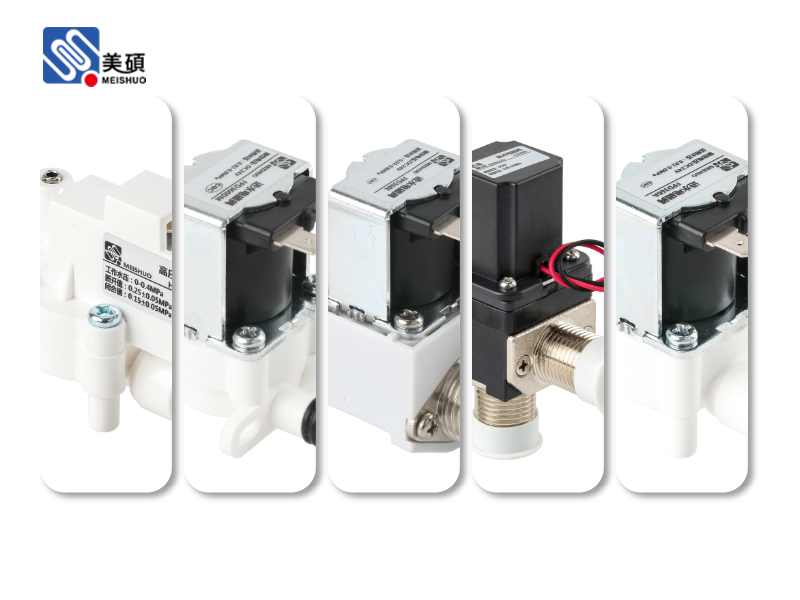
At the core of a cold water solenoid valve is the solenoid coil, which generates a magnetic field when an electric current is applied. This magnetic field pulls a plunger or armature, which in turn opens the valve, allowing water to flow through. When the current is cut off, a spring mechanism returns the plunger to its original position, closing the valve and stopping the water flow. This simple yet effective mechanism enables quick and reliable control of water flow, making solenoid valves ideal for applications where rapid response is required.
Cold water solenoid valves find applications across a wide range of industries and settings. In residential plumbing, they are commonly used in washing machines, dishwashers, and irrigation systems, where they control the flow of water into the appliance or sprinkler system. In commercial and industrial settings, they are used in water treatment plants, cooling systems, and process control applications, where precise water flow management is critical. For example, in a water treatment facility, solenoid valves can be used to regulate the flow of chemicals into the water or to control the distribution of treated water to different parts of the system.
When selecting a cold water solenoid valve, several factors must be considered to ensure optimal performance and longevity. First, the valve's size and flow rate must match the requirements of the system. Valves are available in various sizes, from small 1/4-inch valves for residential use to large 4-inch valves for industrial applications. The flow rate, measured in gallons per minute (GPM) or liters per minute (LPM), should be sufficient to meet the system's water demand.
Another important factor is the operating pressure range of the valve. Cold water systems can have varying pressure levels, so it is essential to choose a valve that can operate within the system's pressure range. Most solenoid valves are designed to handle pressures from 0 to 150 psi, but some high-pressure models can handle up to 1000 psi or more. Additionally, the valve's material construction is crucial, as it must be compatible with cold water and any chemicals or additives present in the system. Common materials include brass, stainless steel, and plastic, each with its own advantages and limitations.
The type of solenoid valve is also an important consideration. There are two main types: normally closed (NC) and normally open (NO). Normally closed valves are closed when no current is applied and open when current is applied, while normally open valves are open when no current is applied and close when current is applied. The choice between NC and NO depends on the specific application and safety requirements. For example, in a fire suppression system, a normally closed valve may be preferred to prevent water flow until an alarm is triggered, while a normally open valve may be used in a system where continuous water flow is required unless a fault occurs.
Maintenance and troubleshooting are also important aspects of working with cold water solenoid valves. Regular inspection and cleaning can help prevent clogs and ensure proper operation. Common issues include valve sticking, leaks, and coil failure. If a valve is sticking, it may be due to debris in the valve body or a worn plunger. Leaks can be caused by damaged seals or O-rings, while coil failure may be due to overheating or electrical issues. In most cases, these issues can be resolved by cleaning the valve, replacing worn parts, or repairing the coil.
In conclusion, cold water solenoid valves are versatile and essential components in a wide range of water systems. Their ability to provide quick and precise control of water flow makes them ideal for applications where reliability and efficiency are paramount. By understanding their functionality, applications, and selection criteria, users can choose the right valve for their specific needs and ensure optimal performance and longevity. Whether in residential, commercial, or industrial settings, cold water solenoid valves play a vital role in maintaining the smooth operation of water systems.

 Chat Oline