


Water solenoid valves are essential components in modern fluid control systems, serving as electromechanical devices that regulate the flow of water in various applications. These valves operate by converting electrical energy into mechanical motion, allowing precise control over water flow, pressure, and direction. Understanding their functionality, types, and applications is crucial for engineers, technicians, and anyone involved in fluid management systems.
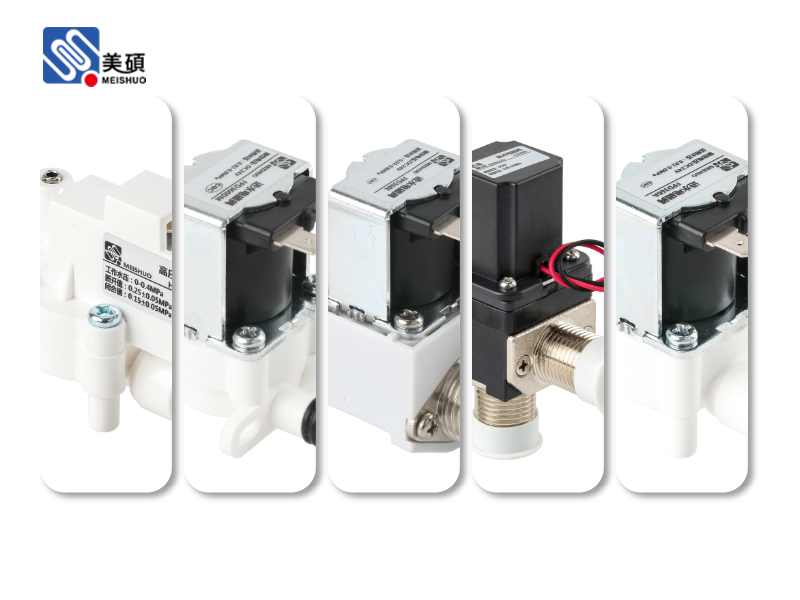
At its core, a water solenoid valve consists of a coil, plunger, and valve body. When an electric current is applied to the coil, it creates a magnetic field that pulls the plunger, opening or closing the valve. This mechanism allows for rapid response times, often in milliseconds, making solenoid valves ideal for applications requiring quick flow adjustments. The valve body, typically made of materials like brass, stainless steel, or plastic, houses the internal components and connects to the water supply lines.
There are several types of water solenoid valves, each designed for specific purposes. Direct-acting valves are simple and reliable, using the magnetic force to directly lift the plunger. They are suitable for low-pressure applications and small flow rates. Pilot-operated valves, on the other hand, use the water pressure itself to assist in opening the valve, making them suitable for high-pressure systems and larger flow rates. Normally closed (NC) valves remain closed when no power is applied, while normally open (NO) valves stay open, with power required to close them. This distinction is critical for safety and operational requirements in different systems.
Water solenoid valves find applications across various industries. In residential settings, they are used in irrigation systems, where they control the flow of water to lawns and gardens based on programmed schedules. In commercial buildings, they are integral to plumbing systems, fire suppression systems, and HVAC units, ensuring efficient water management. Industrial applications include water treatment plants, where solenoid valves regulate the flow of chemicals and water in purification processes, and manufacturing facilities, where they control water flow in cooling systems and production lines.
When selecting a water solenoid valve, several factors must be considered. The operating pressure range is crucial, as valves are designed to handle specific pressure levels. Flow rate requirements determine the valve size, with larger valves accommodating higher flow rates. Compatibility with the fluid type is also important; for example, valves used with potable water must meet specific material standards to ensure safety. Additionally, environmental factors such as temperature, humidity, and exposure to corrosive substances influence the choice of valve materials and construction.
Maintenance is another key aspect of ensuring the longevity and performance of water solenoid valves. Regular inspection for leaks, corrosion, and debris buildup is essential. Cleaning the valve components and replacing worn parts, such as seals and O-rings, can prevent malfunctions. Proper installation, including correct wiring and alignment, also contributes to the valve's efficiency and lifespan.
In conclusion, water solenoid valves are versatile and essential components in fluid control systems. Their ability to provide precise, rapid flow control makes them indispensable in residential, commercial, and industrial applications. By understanding their functionality, types, and selection criteria, users can ensure optimal performance and reliability in their water management systems. As technology advances, solenoid valves continue to evolve, offering improved efficiency, durability, and integration with smart control systems, further enhancing their role in modern fluid management.

 Chat Oline