


In the world of fluid control systems, where precision and reliability are paramount, the low flow solenoid valve stands as an unsung hero. This specialized component plays a critical role in applications requiring precise, low-volume fluid management, from medical devices to industrial automation. Understanding its design, functionality, and applications is essential for engineers and technicians working with fluid systems.
At its core, a low flow solenoid valve is an electromechanical device that controls the flow of liquids or gases at very low rates, typically measured in milliliters per minute or liters per hour. Unlike standard solenoid valves designed for high flow rates, these valves are engineered with smaller internal passages, precise sealing mechanisms, and optimized actuation systems to handle minimal flow volumes with exceptional accuracy.
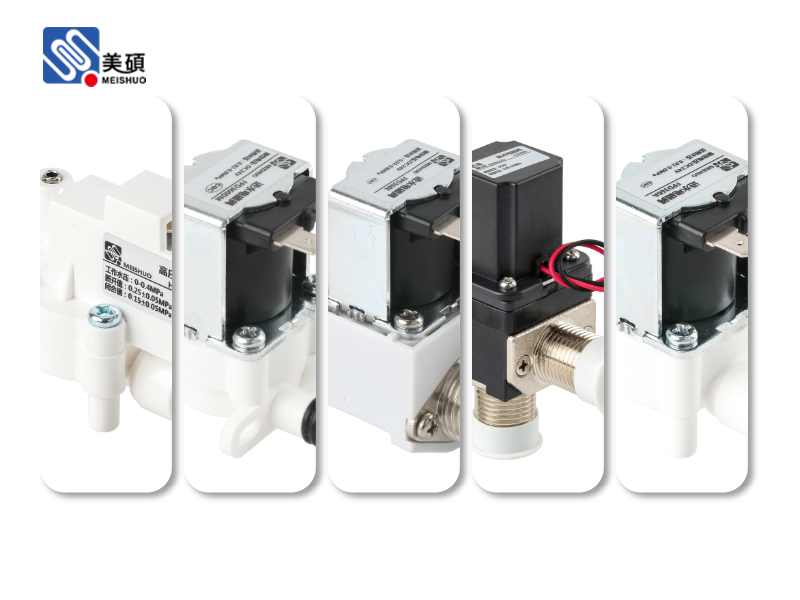
The key components of a low flow solenoid valve include a coil, armature, valve body, and sealing mechanism. When an electric current is applied to the coil, it creates a magnetic field that pulls the armature, lifting the sealing element off the valve seat and allowing fluid to pass through. When the current is removed, a spring returns the armature to its original position, closing the valve and stopping the flow. The precision of this mechanism is crucial for applications where even the smallest deviation in flow rate can have significant consequences.
One of the most important considerations in low flow solenoid valve design is minimizing internal volume and dead space. This ensures that the valve can respond quickly to changes in control signals and maintain consistent flow rates. Materials selection is also critical; valve bodies are often made from corrosion-resistant materials like stainless steel or PEEK (polyether ether ketone), while sealing elements may use materials like Viton or PTFE to ensure tight shut-off and chemical compatibility.
The applications of low flow solenoid valves are diverse and span multiple industries. In the medical field, these valves are used in infusion pumps, diagnostic equipment, and analytical instruments where precise delivery of reagents or medications is essential. In industrial settings, they find use in gas chromatography, fuel cell systems, and semiconductor manufacturing, where controlling small flows of specialty gases or chemicals is critical to process integrity.
Another key advantage of low flow solenoid valves is their ability to operate at low pressures, making them suitable for delicate systems that cannot withstand high pressure differentials. They also offer fast response times, often in the millisecond range, allowing for precise control in dynamic applications. Additionally, many models feature low power consumption, making them ideal for battery-powered or energy-efficient systems.
When selecting a low flow solenoid valve, engineers must consider several factors, including flow rate requirements, fluid compatibility, operating pressure range, and environmental conditions. It is also important to evaluate the valve's response time, repeatability, and long-term reliability. Proper installation and maintenance are equally crucial to ensure optimal performance; regular cleaning and inspection can prevent debris buildup and extend the valve's lifespan.
In conclusion, the low flow solenoid valve is a vital component in modern fluid control systems, enabling precision and reliability in applications where small flow rates are critical. Its unique design and capabilities make it indispensable in industries ranging from healthcare to manufacturing. As technology continues to advance, we can expect further innovations in low flow solenoid valve design, opening up new possibilities for even more precise and efficient fluid control solutions.

 Chat Oline